October 23, 2026
This article aims to explore the various factors that contribute to the overall cost of septic services. Understanding these components can help homeowners make informed decisions and potentially save costs where possible. From the size of the septic tank to the condition of the system, each element plays a significant role in determining service expenses. Additionally, factors such as geographic location and service provider choice further contribute to variances in cost. By delving into these intricacies, we offer a comprehensive guide for homeowners seeking to manage their septic service budgets efficiently.
Size of the Septic Tank
Capacity in Gallons
The size of a septic tank is a fundamental factor influencing service costs. Larger tanks hold more waste and subsequently require more extensive pumping services, which increases expenses. For instance, a tank size of 1,000 gallons typically supports a three-bedroom household, with two people per bedroom, according to HomeGuide. The capacity determines not just the volume of waste managed, but also the frequency of required maintenance. Accurately assessing the necessary tank size for your household can help mitigate unnecessary costs linked to oversized or undersized tanks.
Number of Household Members
The number of individuals residing in a home directly impacts septic system use. More household members equate to increased waste production and water usage, necessitating a more frequent professional septic service. This factor contributes to heightened wear and tear on the system, accelerating the need for intervention. Efficient household management of waste and water can alleviate some pressure, but an increased headcount generally correlates with greater service costs. Households should consider this dynamic when estimating potential expenditures.
Frequency of Tank Usage
High-frequency tank usage requires regular septic system maintenance to ensure efficiency and longevity. When a tank experiences constant use, it fills up faster, triggering the need for more frequent pumping. Regular usage without adequate maintenance can result in costly emergency interventions if the system fails. Therefore, understanding the demands placed on the tank can help in scheduling a timely septic service to avoid expensive repairs. An optimal maintenance schedule acknowledges the tank’s load and addresses it proactively.
Type of Service Required
Routine Maintenance vs. Emergency Repairs
The type of intervention required profoundly affects septic service costs. Routine maintenance is generally planned and typically incurs lower costs compared to emergency repairs. Regular check-ups and cleaning prevent system breakdowns and help avoid unexpected expenses. Emergency repairs, on the other hand, are unplanned and entail immediate attention, often at a premium rate. Homeowners should invest in routine service plans to mitigate the likelihood and cost of emergencies.
Pumping and Cleaning Costs
Septic tank pumping and cleaning are critical to the system’s maintenance and health. These procedures are essential to remove accumulated waste and sludge, preventing system backups. The cost of scheduling a regular septic service varies based on the tank’s capacity and the frequency of needed intervention. For most systems, regular pumping every three to five years is recommended, although personal usage variations might require adjustments. Engaging with reputable service providers ensures price consistency and quality service delivery.
Geographic Location
Regional Cost Variations
Geographic location significantly affects the pricing of a local septic service, with regional variations apparent across different areas. Demand, environmental conditions, and local economic factors contribute to these differences, impacting service pricing. Some regions experience elevated costs due to higher demand or regulatory requirements, making it crucial to understand local conditions when budgeting. Comparing provider costs within the area can illuminate regional price trends and help homeowners manage expenses more effectively. Being informed about these variations aids in accurate financial planning for system upkeep.
Accessibility and Travel Requirements
Accessibility of the septic system can influence costs, as challenging access may require additional equipment or time. Locations that require significant travel for service providers can result in higher costs due to logistics and fuel expenses. Additionally, remote homes or those with difficult-to-navigate terrain may incur extra charges. Homeowners should consider these aspects, possibly negotiating with service providers on travel fees when organizing septic system care. Optimal site accessibility simplifies service, potentially reducing associated financial impacts.
Frequency of Service
Regularity of Scheduled Maintenance
Maintaining a regular schedule for your septic system is crucial in managing costs effectively. Consistent maintenance helps identify potential issues before they escalate, preventing expensive repairs. Scheduled routines also promote the system’s longevity and efficiency, reducing the probability of catastrophic failures. Setting up a recurring septic service is typically more cost-effective compared to undertaking irregular, sporadic repairs. Establishing a routine helps predict and balance service expenses, promoting overall financial planning success.
Impact of Neglect on Costs
Neglecting system maintenance can lead to significant financial implications over time. Without regular upkeep, minor issues often escalate into larger, more expensive problems. This neglect results in emergency calls, which carry premium costs and disrupt household budgets unexpectedly. By maintaining an active schedule for your septic service, homeowners reduce the need for costly emergency interventions. Prevention and timely action are key strategies to avoid the disruptive financial impact of neglected systems.
Benefits of a Service Plan
Engaging with a comprehensive septic service plan offers structured and predictable management of system care. Service plans often provide scheduled maintenance and inspections, ensuring consistent attention to the system’s needs. Such plans tend to offer cost savings over the piecemeal approach of arranging individual calls, giving homeowners better control over expenditure. Additionally, service plans bolster system health, reducing emergency repair likelihood. By investing in a service plan, homeowners gain peace of mind and a structured approach to system management.
Condition of the Septic System
Age of the System
The age of a septic system plays a pivotal role in determining maintenance and service costs. Older systems often need more frequent inspections and possibly more repairs, elevating related expenses. Components degrade over time, and older systems may not meet current efficiency standards, increasing utility costs. Investment in modernization or regular updates aligns the system with contemporary standards, reducing long-term costs. A realistic assessment of needs in older systems supports informed decision-making regarding potential upgrades.
Previous Maintenance History
A septic system’s maintenance history significantly contributes to determining current and future costs. Properly maintained systems with comprehensive records generally incur fewer repair costs and present extended operational efficiency. Understanding past interventions informs the current evaluation of system health, projecting necessary future care and related expenses. Documentation of historical visits provides critical insights into systemic patterns and assists in strategic planning. Consequently, maintaining thorough historical records supports cost-effective management.
Signs of System Failure
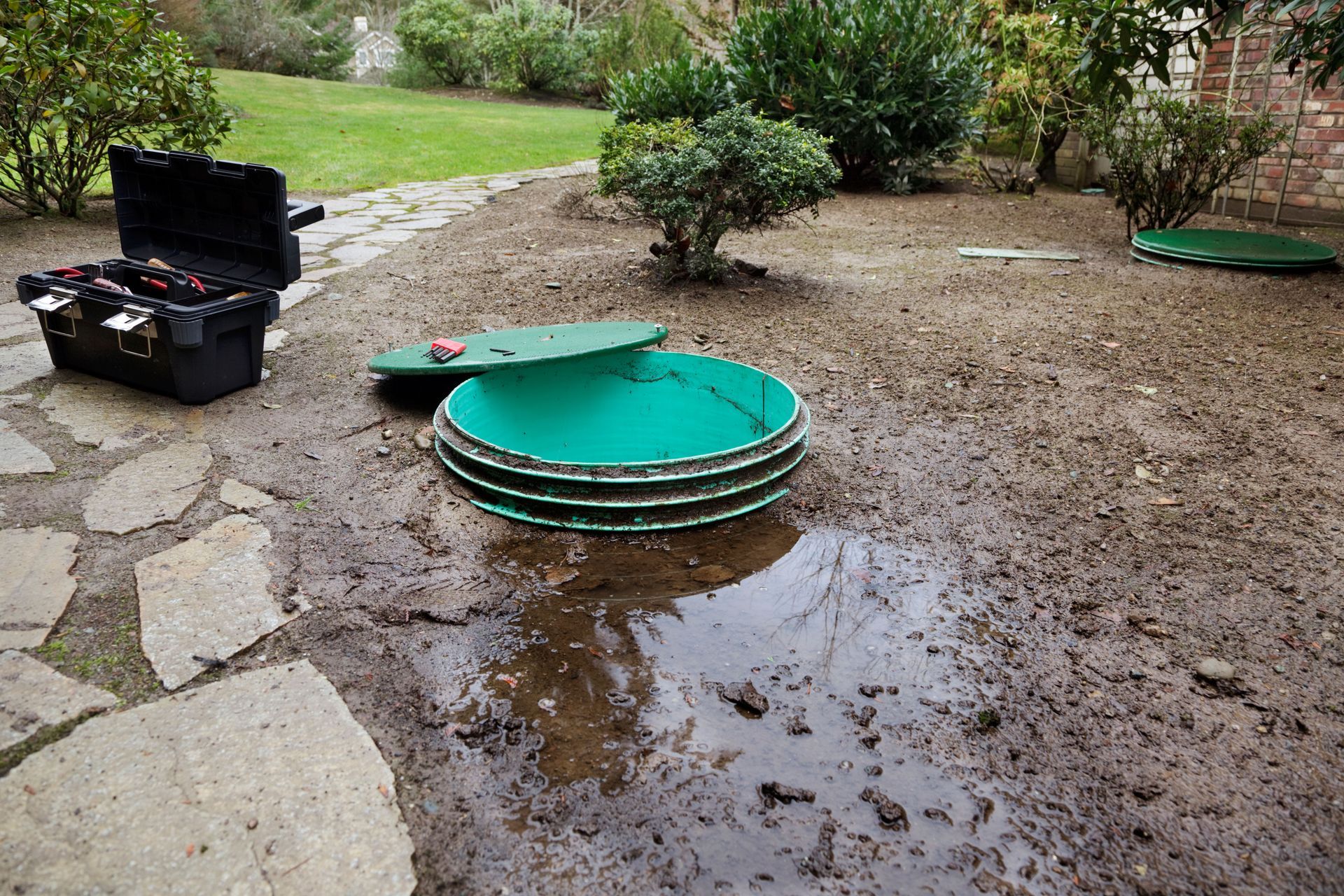
Recognizing signs of system failure is integral to cost management and operational performance. Signals like slow draining, bad odors, or water pooling signify failing components, alerting homeowners to necessary repairs or interventions. Early detection facilitates timely, cost-effective resolutions before issues exacerbate into full system failures. Addressing warning signs promptly minimizes the disruption and expense associated with large-scale repairs or replacements. Remaining vigilant to these indications can significantly reduce the financial burden tied to system failures.
By understanding the various factors that determine the cost of your septic service, homeowners can make more informed decisions, manage expenses, and ensure the efficient functioning of their septic systems. It's essential to consider not only immediate costs but also long-term implications when selecting services and providers. Homeowners benefit from maintaining a proactive approach to septic system care, planning future expenditures and leveraging available resources effectively. With strategic planning and informed provider choices, managing costs becomes both manageable and predictable. These considerations promote a seamless integration of system maintenance into routine home management, optimizing performance and financial prudence simultaneously. Call H&S Septic Services today for more information.