August 18, 2026
When living in a rural or suburban neighborhood detached from centralized municipal sewer lines, managing household wastewater becomes a direct personal responsibility. Homeowners often view underground utility components as mere utilitarian necessities that exist out of sight and out of mind. However, an onsite wastewater treatment infrastructure does far more than simply carry away household waste. A properly designed, maintained, and operated septic tank system acts as an essential line of defense for both your immediate home environment and the surrounding natural habitat.
By managing wastewater directly on your parcel of land, you actively participate in a decentralized water purification process. Wastewater originating from sinks, showers, laundries, and toilets contains a complex mixture of organic matter, household chemicals, pathogens, and nutrients. Without adequate treatment, these substances pose serious hazards to public health, property structures, and local biodiversity. Understanding the broad range of benefits provided by private treatment infrastructure helps homeowners appreciate the vital role these installations play in daily life. From protecting subterranean water reserves to preserving property equity, taking care of your underground utilities yields substantial environmental and financial rewards.
Safeguard Local Groundwater Supplies
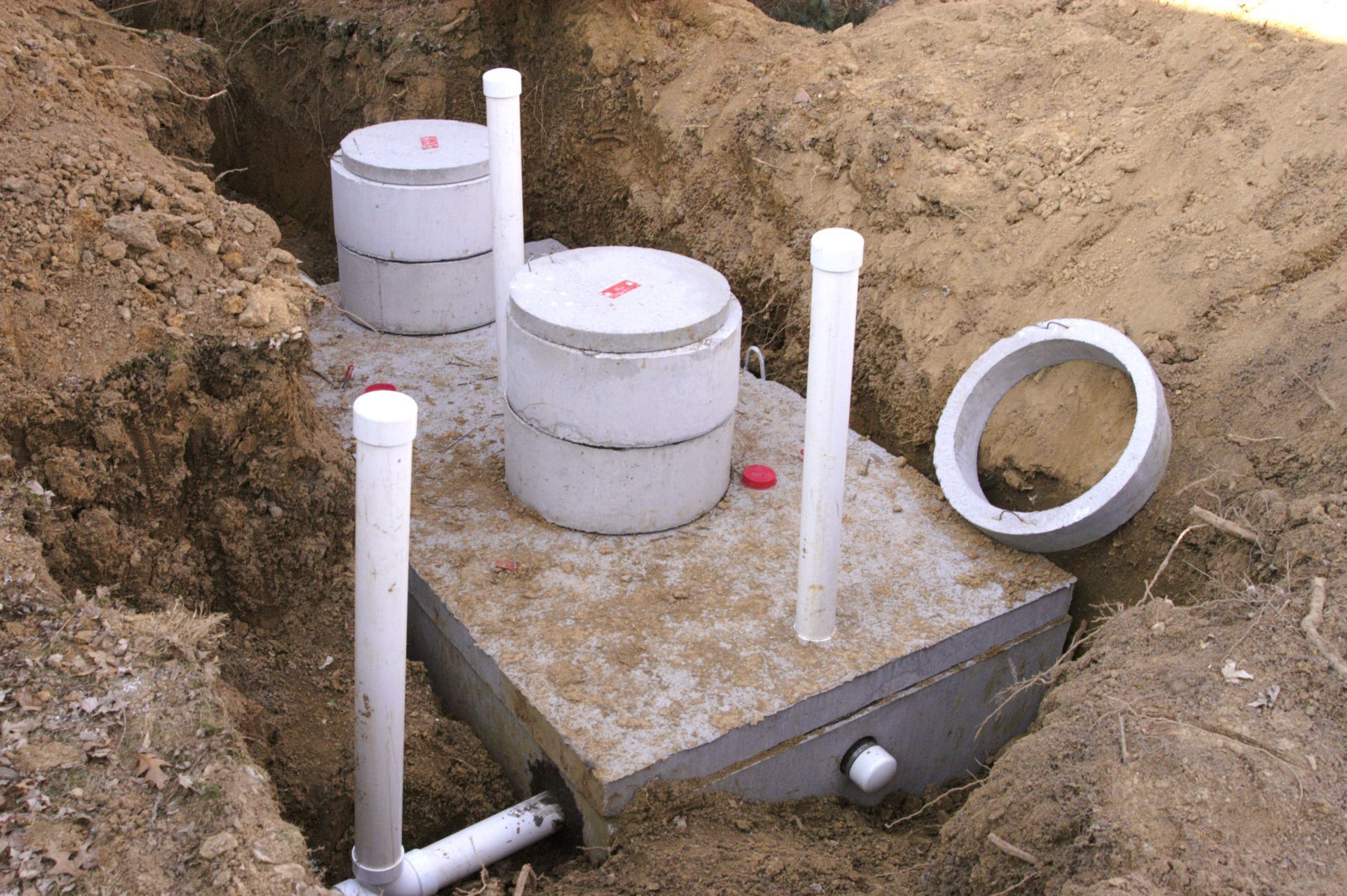
Underground aquifers represent the primary source of clean drinking water for millions of households across the nation. When untreated wastewater trickles unrestricted into the ground, dangerous contaminants like bacteria, viruses, and nitrates can easily leach into nearby wells and subterranean reservoirs. An effective septic tank system prevents harmful substances from reaching these delicate water reserves by initiating a thorough multi-stage purification process. Inside the primary container, heavy solids settle to the bottom to form sludge, while lighter fats and oils float to the surface to form scum. Anaerobic bacteria then begin breaking down organic solids in a dark, oxygen-deprived environment.
This initial separation step dramatically reduces the concentration of biological pathogens and suspended solids present in the liquid effluent. As the treated liquid exits the main vault toward the absorption field, it undergoes further natural filtration through biological action in the soil. Soil microbes metabolize remaining organic impurities, while fine soil particles trap microscopic pollutants before they can migrate downward into subterranean water tables. This continuous protective barrier ensures that neighboring well supplies remain untainted and safe for human consumption, protecting public health across the entire community.
Prevent Property Damage From Backup Disasters
Wastewater management is fundamental to structural safety and hygiene within residential spaces. When plumbing infrastructures suffer structural failures or volume overload, the resulting backups can flood basements, ruin living spaces, destroy building materials, and create severe mold hazards. Proper installation sizing is crucial to preventing such overwhelming internal flooding events. According to Forbes, your family needs a septic tank that holds twice the amount of water used on a daily basis. Maintaining this balance ensures that incoming wastewater remains undisturbed inside the primary vessel long enough for proper settlement and liquid separation to occur.
Without adequate capacity, incoming fluids push undigested solids directly into the discharge network, clogging distribution pipes and sending raw sewage backward through domestic drains. Overloaded systems risk causing structural damage that requires extensive home renovation, professional biohazard remediation, and structural drying. By keeping your volume capacity aligned with daily household usage, you establish a reliable safety buffer against unexpected surges in water usage. A balanced design manages peak daily demands seamlessly, ensuring that hazardous wastewater stays securely contained underground and completely away from your family's living areas.
Filter Wastewater Through Natural Soil Processes
Unlike centralized sewer networks that rely heavily on chemical additives, industrial machinery, and artificial processing plants, decentralized treatment facilities harness natural biological mechanisms to restore water purity. A properly designed septic tank system relies on soil filtration to achieve thorough purification without burdening local municipal resources. Once liquid leaves the primary settling compartment, it flows gently into a perforated piping grid embedded within a designated absorption bed lined with gravel and permeable soil.
As liquid percolates downward through soil layers, oxygen-rich environments host aerobic microorganisms that rapidly consume remaining organic contaminants. Soil act as a natural, highly effective filter that strips out harmful chemicals, micro-pollutants, and excessive organic nutrients. This slow, steady percolation process mimics natural hydrologic cycles, naturally purifying domestic wastewater before returning it to the hydrological environment. Because this process relies primarily on organic breakdown rather than aggressive chemical treatments like chlorine or synthetic additives, purified water returns to surrounding soils without disrupting delicate chemical balances in regional ecosystems.
Preserve Surrounding Ecosystems and Local Wildlife
Uncontrolled wastewater runoff releases elevated levels of nitrogen and phosphorus into local watersheds. When these chemical nutrients accumulate in lakes, streams, and ponds, they trigger rapid algal blooms that deplete dissolved oxygen levels, suffocating fish and disrupting aquatic habitats. When a septic tank system operates smoothly, excess nutrients are absorbed by soil particles and local plant roots long before wastewater can reach sensitive surface water bodies.
Proper onsite treatment neutralizes pathogens that could otherwise infect local wildlife, livestock, and domestic pets. Native vegetation thriving near properly functioning drain fields benefits from gentle, subterranean moisture distribution without suffering from toxic surface accumulation. By containing pathogens and regulating nutrient flow, private wastewater installations help maintain healthy wetlands, vibrant forests, and balanced aquatic habitats. Homeowners who maintain their underground wastewater equipment actively protect regional ecosystems, ensuring that local flora and fauna can flourish in a clean, non-hazardous natural environment.
Enhance Long-Term Real Estate Value
A home represents a major financial asset, and every underground component directly impacts overall property valuation. Savvy homebuyers are increasingly conscious of utility health, frequently requesting thorough technical inspections of underground drainage structures before closing a transaction. Investing in a reliable septic tank system boosts property value by offering prospective buyers complete confidence in the home's infrastructure.
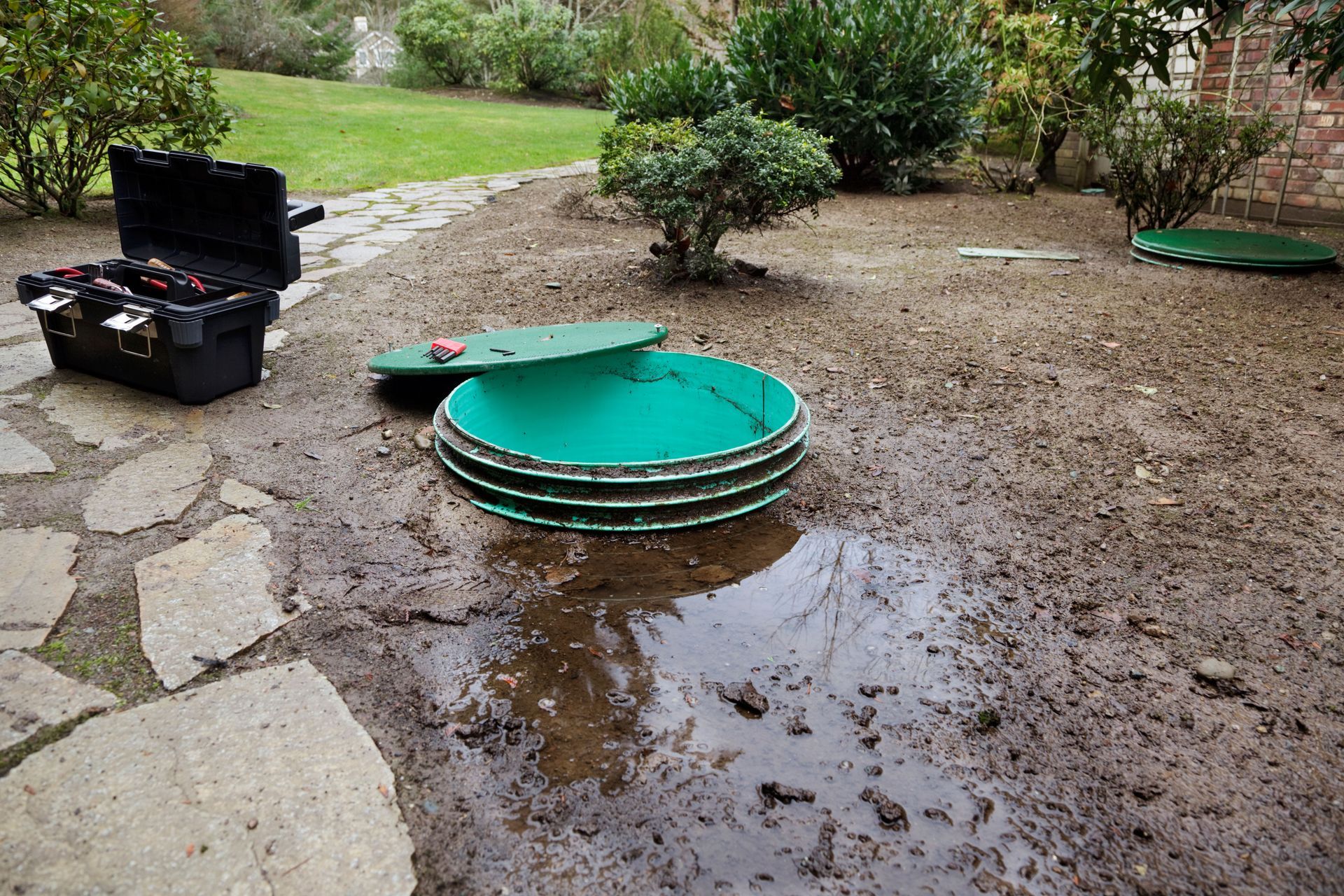
Conversely, neglect can lead to surface pooling, foul odors, clogged plumbing, and soil compaction, all of which drop home equity significantly and delay real estate transactions. Replacing a fully failed absorption field or collapsed primary chamber requires extensive earthmoving work and substantial capital investment. By keeping up with routine inspections, practicing water conservation, and scheduling timely tank pumping, homeowners preserve the physical integrity of their lawn and protect their long-term equity. A modern, compliant wastewater setup serves as a strong selling point that highlights diligent home maintenance.
Avoid Excessive Municipal Infrastructure Expansion
Centralized wastewater facilities require extensive networks of underground pipes, high-powered pumping stations, and massive treatment plants that demand continuous public funding and high energy consumption. Expanding municipal sewer lines into lower-density rural or suburban neighborhoods often leads to disruptive road excavations, high tax burdens, and significant energy expenditure. Decentralized wastewater systems eliminate the need for costly public works projects by treating wastewater right where it is generated.
By processing domestic waste locally, private treatment units reduce overall municipal energy demands and lower carbon footprints associated with long-distance wastewater transport. Furthermore, decentralized infrastructure gently recharges local aquifers directly beneath the property, whereas municipal plants often discharge treated water far away into distant rivers or ocean outfalls. This localized hydrological balance maintains regional groundwater levels and prevents localized land subsidence. Homeowners using private utilities help foster sustainable community development while keeping local tax demands and municipal utility bills manageable for everyone.
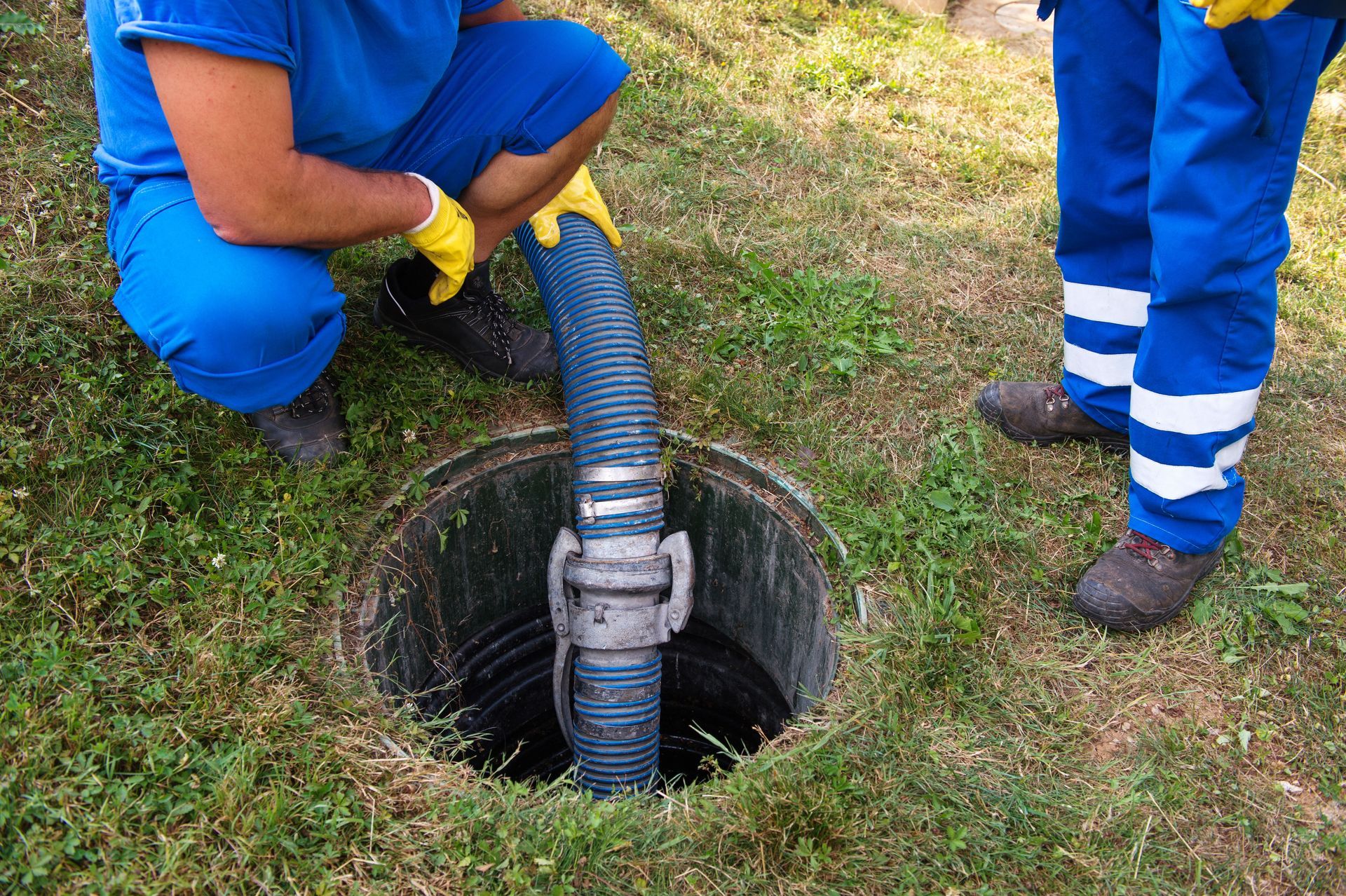
Protecting this investment requires consistent care, routine professional inspections, mindful household water management, and timely maintenance. At H&S Septic Services, we are dedicated to helping property owners maintain reliable, highly efficient wastewater systems that safeguard both property values and surrounding natural landscapes. Contact our experienced team today to schedule your comprehensive system inspection, routine maintenance pumping, or professional consultation, ensuring your underground utilities remain safe, efficient, and reliable for many years to come.