June 17, 2026
Maintaining a septic system is crucial for the longevity and efficiency of your drain field. This article explores how regular septic service can safeguard your drain field and prevent costly repairs. Understanding these key benefits can help homeowners make informed decisions about their septic system maintenance.
Understanding Your Septic System
The Function of a Septic System
A septic system is an underground wastewater treatment structure commonly used in areas without centralized sewer systems. The system functions by treating wastewater from household plumbing produced by bathrooms, kitchen drains, and laundry. It uses a combination of nature and time-tested technology to treat the waste and safely return clean water to the environment. A properly functioning septic system reduces both water pollution and the threat of sewage backup. The core of the system’s operation is the balance between efficiently processing waste and redirecting clean, safe water back to the earth.
Components of a Septic System
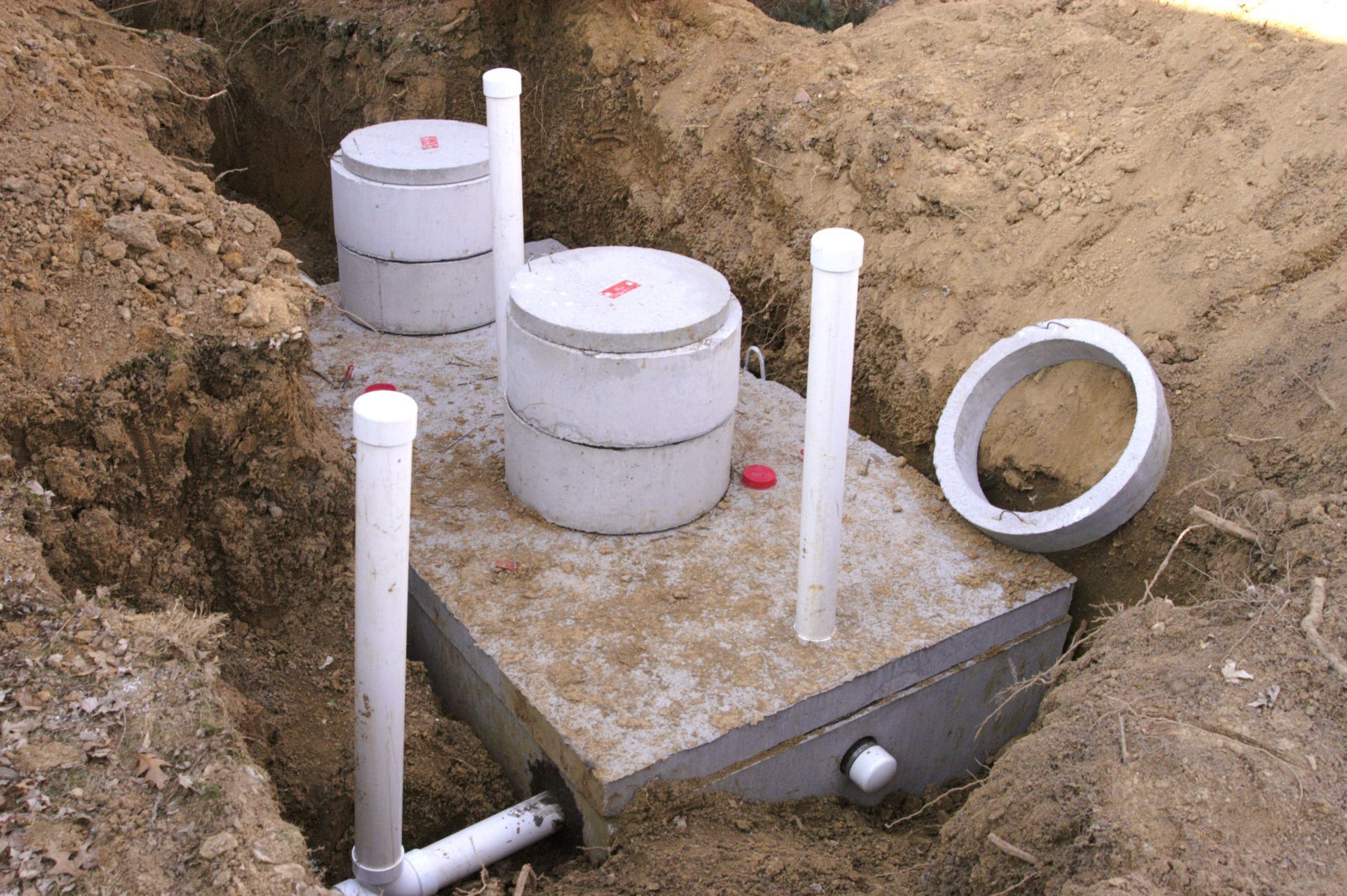
Septic systems are typically composed of two main parts: a septic tank and a drain field. The septic tank, usually made of concrete, fiberglass, or polyethylene, serves as the primary treatment structure. According to This Old House, septic tanks are typically very large, with a total volume capacity of more than 1,000 gallons. The wastewater from your home first enters the septic tank, where it is held long enough for solids to settle to the bottom, forming sludge, while oils and grease float to the top, forming scum. The treated liquid then exits the tank into the drain field, which is a shallow, covered excavation made in unsaturated soil.
How Septic Systems Affect Drain Fields
The septic tank’s primary role is to separate solids from the wastewater, protecting the drain field from excessive solid waste accumulation. The drain field disposes of the filtered effluent through soils, which further remove bacteria and nutrients. If the septic system is overloaded, it can cause untreated sewage to flow to the drain field. Too much liquid is not adequately absorbed and treated, leading to pooling or contamination of nearby water sources. Adequate maintenance ensures that the system maintains its essential function without overwhelming the drain field.
Learning The Role of Routine Septic Pumping
Definition of Septic Tank Pumping?
Septic tank pumping is the process of removing the accumulated solids from the tank before they reach levels that risk solids entering the drain field. The pump-out procedure involves specialized service providers who use pumping trucks to perform the task efficiently and hygienically. While the wastewater is treated inside the tank, the constant accumulation of sludge and scum necessitates timely removal. This pumping keeps your system balanced and reduces the risk of system failures and blockages in the drain field. Routine pump-outs are essential for a healthy septic system and environmental protection.
Frequency of Pumping
The frequency of septic tank pumping largely depends on factors such as tank size, household size, and wastewater volume. Generally, experts recommend pumping every three to five years under typical usage conditions. However, in larger households or properties with increased water usage, more frequent pumping might be necessary. Regular assessment through a professional septic service can help determine the right interval to keep the septic system running optimally. This proactive approach can prevent an overload, which might eventually lead to drain field failures and costly repairs.
Benefits of Regular Pumping
Regular septic tank pumping offers several benefits, including prolonging the life of your entire septic system and maintaining environmental health. By keeping the tank clear of excessive solids, the efficiency of the wastewater treatment process is enhanced, and system backups are prevented. Additionally, it helps avoid the often unpleasant phenomenon of bad odors emanating from both the septic tank and drain field areas. Protecting the drain field from clogs caused by solid overflow is probably the most significant benefit of routine pumping. Ultimately, it ensures the peace of mind of knowing your wastewater is being effectively managed and discharged.
Inspecting and Maintaining Septic Tank Health
Visual Inspection Essentials
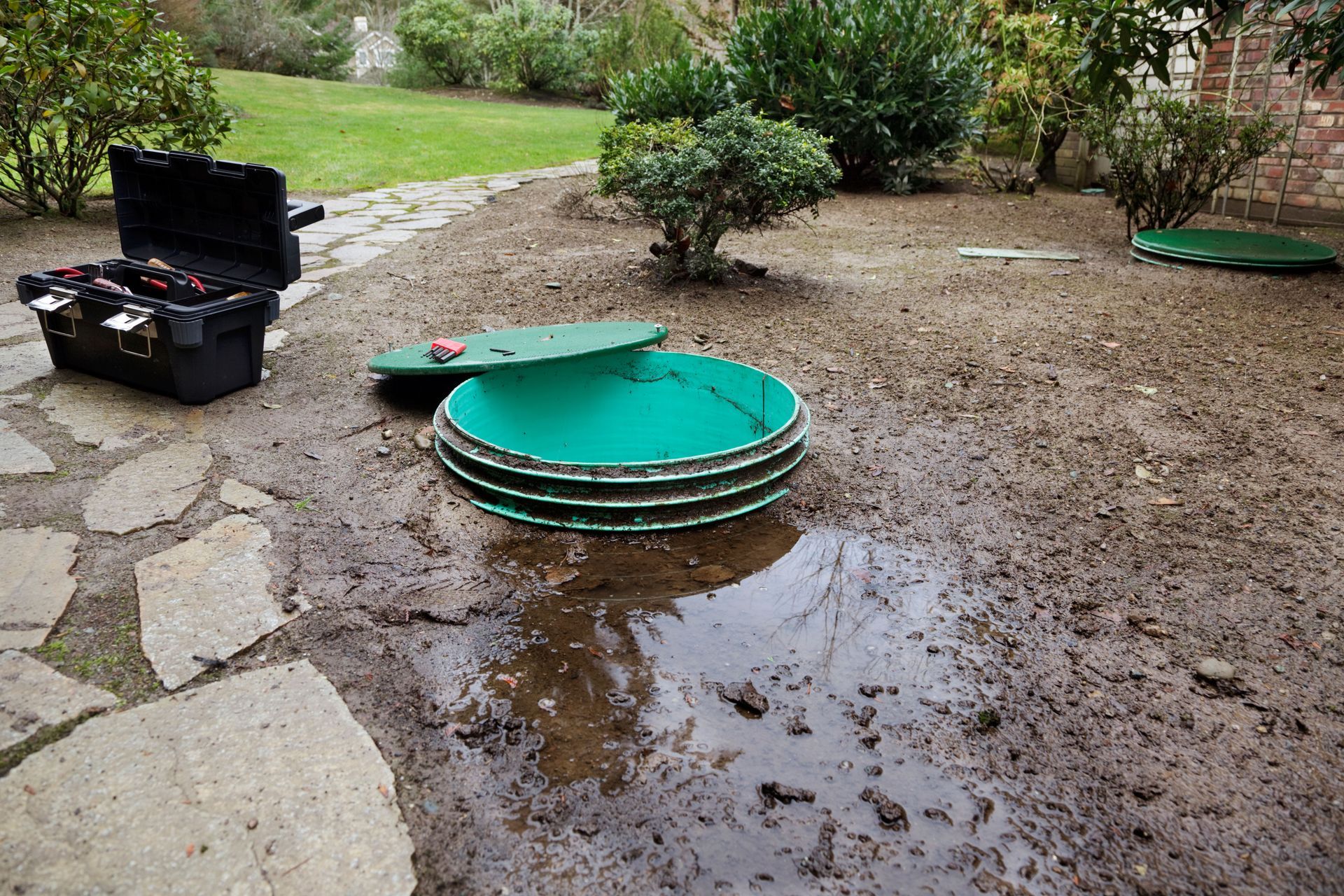
A visual inspection can tell a lot about the health of your septic system. Initially, you should check for signs of water pooling or soggy soil in the area above the drain field. It's also wise to monitor the grass for greener or faster-growing areas, indicating potential leaks. Inspecting the tank lids and risers for structural integrity is crucial to ensure that no seepage occurs. Lastly, checking for unusual odors around the septic system can help signal issues early and prevent larger problems.
The Role of Professional Inspections
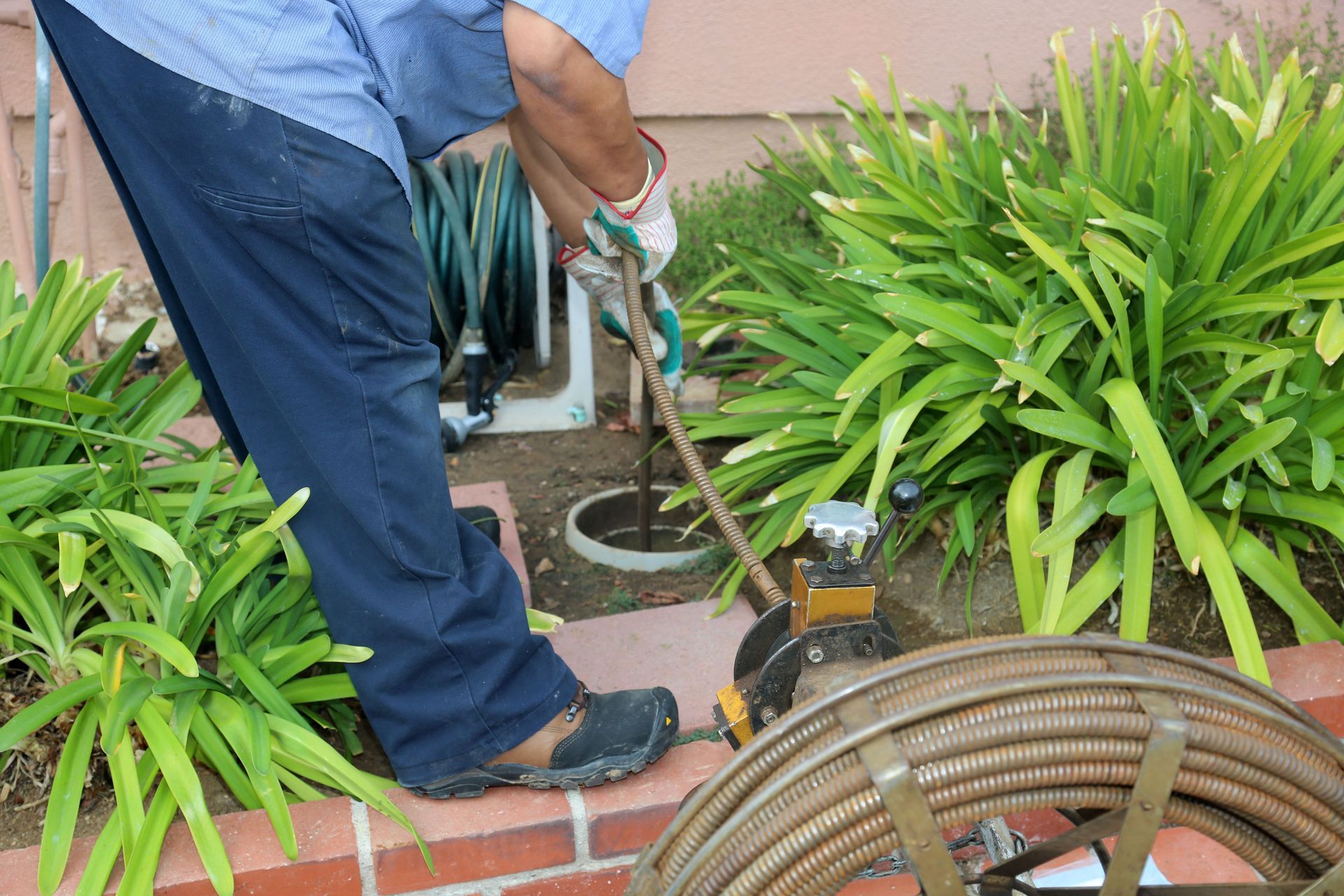
Professional inspections offer a comprehensive analysis of your septic system's health and function. These assessments provide insights that a regular homeowner might not notice, such as assessing sludge and scum levels or identifying potential drain field issues. Booking a comprehensive septic service allows experts to employ specialized equipment, like fiber optic cameras, to inspect the internal condition of the tank beyond eyesight constraints. They bring invaluable expertise not only to diagnose issues but also to recommend tailored solutions. Regular professional involvement is essential for staying ahead of system malfunctions and maintaining long-term functionality.
Common Issues Identified During Inspections
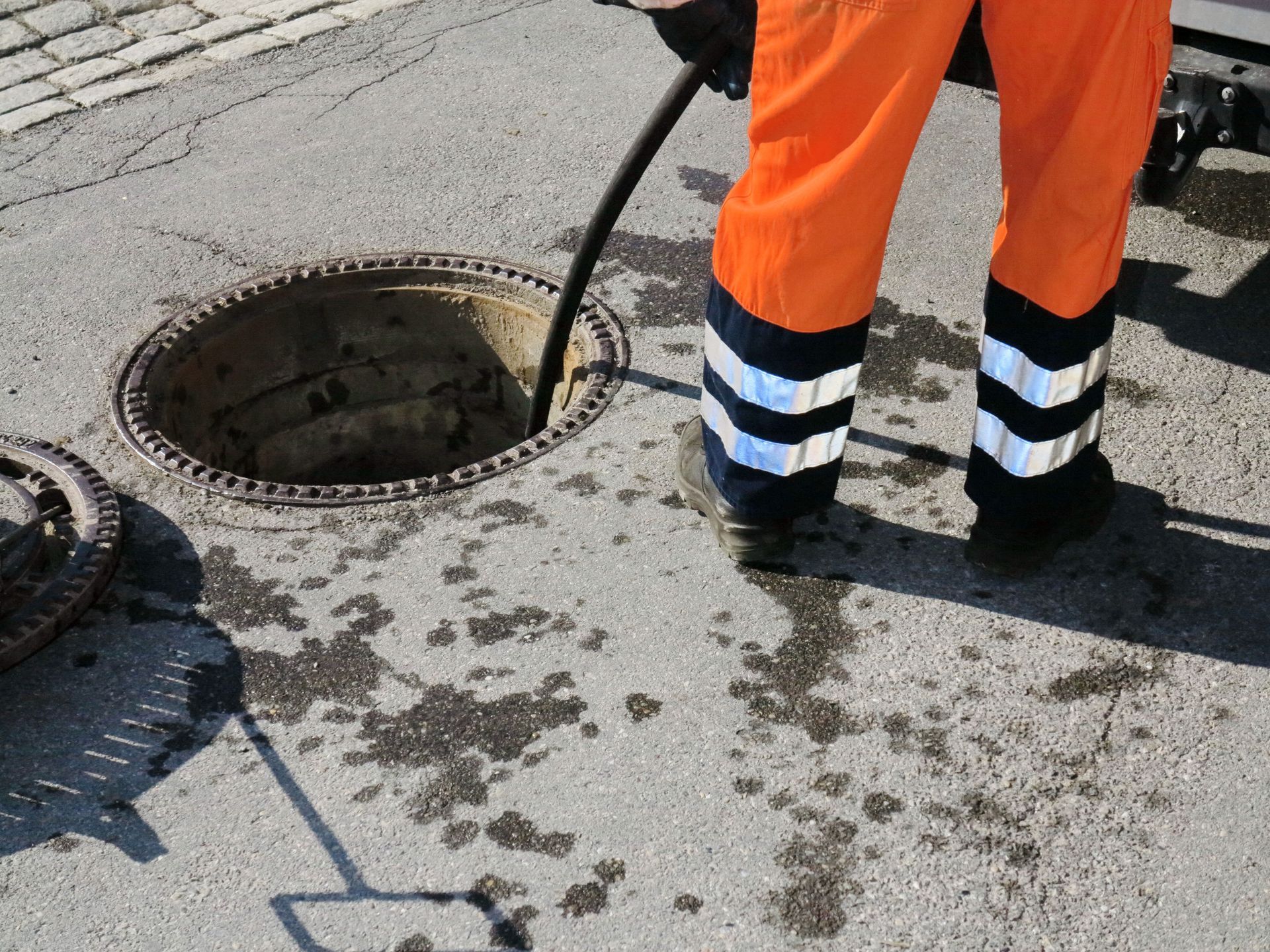
Septic system inspections commonly uncover issues such as excessive scum and sludge accumulation or structural wear and tear. Inspectors may discover blocked or collapsed pipes that require immediate action to restore proper wastewater flow. Problems with the drain field, drainage,e or clogging due to excessive solids are also frequent findings that need addressing. Sometimes, a certified septic service team identifies signs of backflow or cross-contamination, where effluent is not adequately separated, risking environmental and health threats. Early detection through regular inspections allows for timely intervention, keeping the system efficient and avoiding costly fixes.
Addressing and Preventing Clogs
Common Causes of Clogs
Clogs in a septic system can occur for various reasons, often stemming from plumbing misuse or system neglect. Flushing non-biodegradable items such as wipes, diapers, or excessive paper can quickly block pipes or drains. Grease and oils poured down the drain solidify, causing build-ups that restrict flow. Overburdening the system with excessive water or disregarding regular maintenance, such as pumping, can also lead to clogs. Identifying these causes allows for better prevention and effective corrective measures when issues arise.
Preventing Blockages with Regular Service
Regular maintenance is one of the most effective ways to prevent blockages in septic systems. Scheduled pumping ensures that solid waste doesn't reach levels that might clog outlets or overflow into the drain field. Investing in timely septic service catches issues, such as leaks or pipe blockages, before they develop into significant problems. Avoiding the disposal of oil, fat, and unsuitable items down the plumbing is another meaningful preventive step. Incorporating these practices into septic maintenance can mitigate the risks of blockages and contribute to a system’s long-term efficacy.
The Impact of Clogs on the Drain Field
Clogs can severely affect the efficiency and performance of a drain field, preventing it from properly filtering effluent. A congested system results in insufficiently treated wastewater flooding the drain field, risking ground saturation and contamination. This problem can lead to soggy soil, unpleasant odors, and even visible wastewater pooling if left unresolved. Over time, persistent clogs can harm soil health, reducing its natural absorption capacity critical to wastewater treatment. Scheduling a diagnostic septic service ensures that drain fields remain functional and environmentally safe.
Regular septic service is indispensable for protecting your drain field from damage, preserving the environment, and avoiding unnecessary expenses. By understanding the value of routine maintenance and utilizing best practices, homeowners can ensure their septic system functions efficiently for years to come. Stay proactive, and protect both your investment and the environment.
Don't wait for a costly system failure to disrupt your home. Contact H&S Septic Services today to schedule your preventative septic service and keep your drain field working flawlessly.