April 14, 2026
Septic systems play a crucial role in waste management, especially in regions not connected to municipal sewer systems. They are vital for maintaining environmental sustainability, reducing health risks, and preserving the value of your property. Effective septic systems prevent soil and water contamination, which can lead to serious public health issues and environmental degradation. Furthermore, by maintaining proper functionality, these systems help sustain real estate value by ensuring that properties remain free from septic-related problems. With over 25% of Americans, particularly in rural areas, relying on septic tanks, understanding these systems' diverse designs and functions is essential for choosing the right type for your property.
1. Traditional Septic Systems
1.1 Design and Functionality
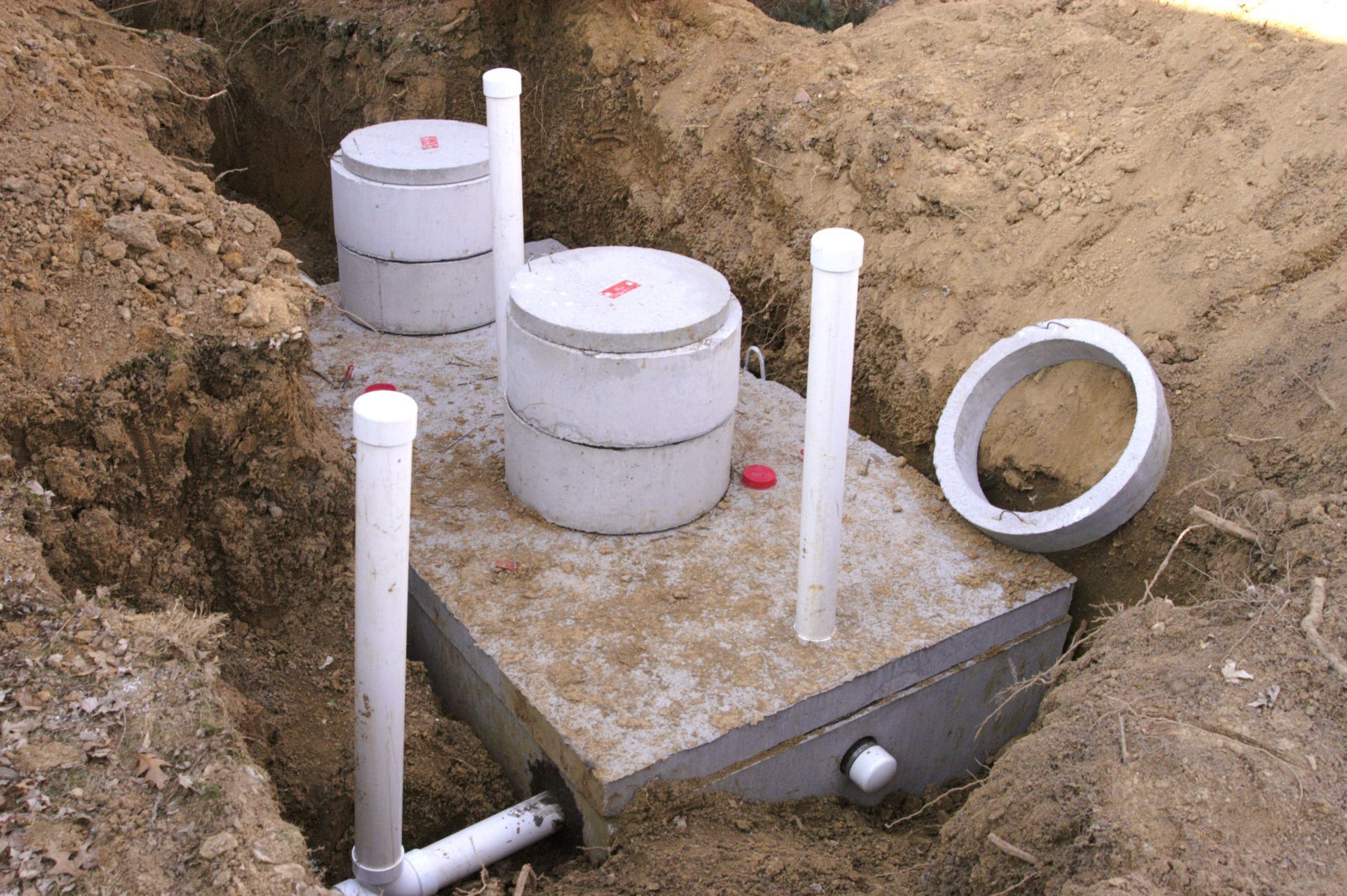
A traditional septic system consists of a septic tank and a drain field. The septic tank is a watertight container made from concrete, fiberglass, or polyethylene, which holds wastewater long enough for solids to settle down as sludge. This initial process separates the liquid from solid waste, while naturally occurring bacteria help in breaking down the sludge. The clarified liquid, called effluent, then flows into the drain field for further filtration into the soil. This straightforward design has been widely used for decades due to its simplicity and effectiveness in waste management.
1.2 Advantages and Limitations
Traditional septic systems offer several advantages, including low operational costs and minimal mechanical components, which reduce the chance of malfunctions. They are suitable for average-sized homes with adequate space for a drain field. However, they come with limitations such as poor performance in areas with high groundwater levels or unsuitable soil types. Frequent maintenance is required to prevent system overload and potential failures. Adequate spacing from water sources is also necessary to avoid contamination risks.
1.3 Environmental Impact
The environmental impact of traditional septic systems can be both positive and negative. On the plus side, when functioning correctly, they efficiently process and treat wastewater, protecting groundwater from contamination. However, when they fail or are improperly maintained, they can become a source of pollutants, potentially contaminating local aquifers and water supplies. Their reliance on the soil's natural filtration properties means they may not be suitable for all geographical areas, requiring specific soil types for optimal operation. Therefore, regular maintenance is critical for minimizing their environmental footprint.
1.4 Suitable Property Types
Traditional septic systems are best suited for properties with sufficient land area for a drain field and suitable soil conditions. They are ideal for rural and suburban homes, where municipal sewage systems are unavailable, and residents can rely on decentralized waste management. Properties with deep, well-drained soils see the most benefit from these systems, as the natural filtration process is enhanced. Homes with limitations on available space or problematic soil conditions may need to explore alternative septic solutions. Additionally, zoning regulations and environmental assessments often dictate where traditional systems can be effectively used.
1.5 Maintenance Requirements
Regular maintenance of traditional septic systems is essential to ensure their long-term functionality and reliability. Homeowners should schedule routine inspections and pump-outs every three to five years, depending on the tank size and household usage. Maintenance tasks include monitoring scum and sludge levels, checking for leaks or blockages in the tank, and inspecting the drain field for potential failures. Overlooking these tasks can lead to system overload, causing untreated wastewater to contaminate the environment. Educating property owners about maintenance needs helps extend the lifespan of their septic system.
2. Aerobic Treatment Units (ATUs)
2.1 Mechanism of Action
Aerobic Treatment Units (ATUs) operate using a mechanism that involves adding oxygen to the wastewater treatment process. By introducing oxygen into the system, ATUs facilitate the growth of aerobic bacteria, which are more efficient at breaking down organic matter than their anaerobic counterparts. These units typically include an aerator and several compartments for the sequential treatment of sewage. The result is a higher quality effluent with reduced organic content, suitable for dispersal in smaller or more sensitive drain fields. This aerobic process, therefore, significantly enhances the treatment quality compared to traditional systems.
2.2 Benefits Over Traditional Systems
ATUs provide numerous benefits over traditional septic systems by offering superior treatment capabilities and versatility. They yield cleaner effluent, which allows for use in smaller or environmentally sensitive areas. ATUs can be installed in areas with high water tables, poor soil conditions, or limited space, where traditional systems might not be feasible. Additionally, the improved waste breakdown leads to fewer odors and reduces the risk of soil and groundwater contamination. However, these benefits come at a cost, as ATUs are more complex and require electricity and regular professional maintenance.
2.3 Impact on Surrounding Environment
ATUs positively impact the environment by significantly reducing pollutants in the effluent. This reduction minimizes potential contamination of local waterways and aquifers. Moreover, their improved efficiency translates to fewer nutrients entering the soil, decreasing the risk of eutrophication in nearby water bodies. However, reliance on electrical components means ATUs might become less efficient or fail during power outages unless appropriate backup systems are in place. Their higher maintenance demands also mean neglect can quickly lead to environmental issues.
2.4 Installation Considerations
Installing ATUs requires careful planning and expert design to ensure efficacy and compliance with local regulations. They may involve higher upfront costs and require electrical connections, which are considerations for potential users. Local codes often dictate specific installation and operational standards that must be met, making professional assistance essential. Property owners need to weigh installation costs and site-specific challenges to determine the suitability of ATUs. Additionally, obtaining the appropriate permits and ensuring regular inspections are crucial for maintaining compliance.
2.5 Cost and Maintenance Considerations
ATUs generally have higher upfront costs compared to traditional systems due to their complex design and the need for electrical components. Ongoing maintenance includes regular servicing by qualified professionals to clean and adjust mechanical parts. These additional expenses result in higher long-term costs, but are necessary to prevent system failures and environmental issues. Property owners must factor these costs into their budget to ensure proper care and functionality of their ATU. Despite higher maintenance demands, homeowners find the advantages, such as flexibility and efficiency, offset these expenditures.
3. Mound Septic Systems
3.1 Structure and Operation
Mound septic systems are specially designed to work in areas with challenging soil conditions or high water tables. Unlike other systems, mound systems are built above the natural ground level, using sand to create a filtering mound between the septic tank and absorption area. This elevated structure helps prevent effluent contamination of the water table. Wastewater from the tank is pumped to the mound, where it undergoes filtration before reaching the soil, ensuring safe dispersion and treatment. The unique construction makes them one of the best choices for properties with poor soil absorption characteristics.
3.2 Best Use Cases
Mound systems are ideal for sites with shallow soil depths, high water tables, or insufficient groundwater absorption. These conditions make traditional systems untenable, thus necessitating the elevated design that a mound system provides. Additionally, properties requiring enhanced soil treatment capabilities or without space for extensive drain fields benefit from the above-ground operation. Their adaptability makes them suitable for environmentally sensitive locations, such as near water bodies or protected lands. However, understanding site-specific requirements ensures a fit-for-purpose installation adequate for treatment needs.
Each septic system discussed offers distinct advantages and considerations, affecting both environmental impact and property value. Traditional systems, though simple, may not suit all locations, while modern alternatives like ATUs, mound systems, and drip distribution offer targeted flexibility. Sand filters—whether standalone or recirculating—effectively address stringent treatment demands. According to This Old House, over 25% of Americans rely on a septic tank for waste management, particularly in rural areas. Selecting the right system depends on site conditions, maintenance capacity, and regulatory needs, ensuring sustained property protection and environmental compliance. Informed choices promote the best outcomes from reliable, comprehensive waste management strategy implementation. Be sure to reach out to H&S Septic Services today for more information on our professional septic tank system!