March 20, 2026
Routine septic service and maintenance are crucial for homeowners who rely on it for waste management. While it may not be top-of-mind, a septic system is a vital part of your property, and extending its life can save you both time and money. This article will explore practical ways to ensure your septic system remains functional for years, reducing the risk of costly repairs and ensuring a healthy environment.
1. Regular Inspections and Pumping
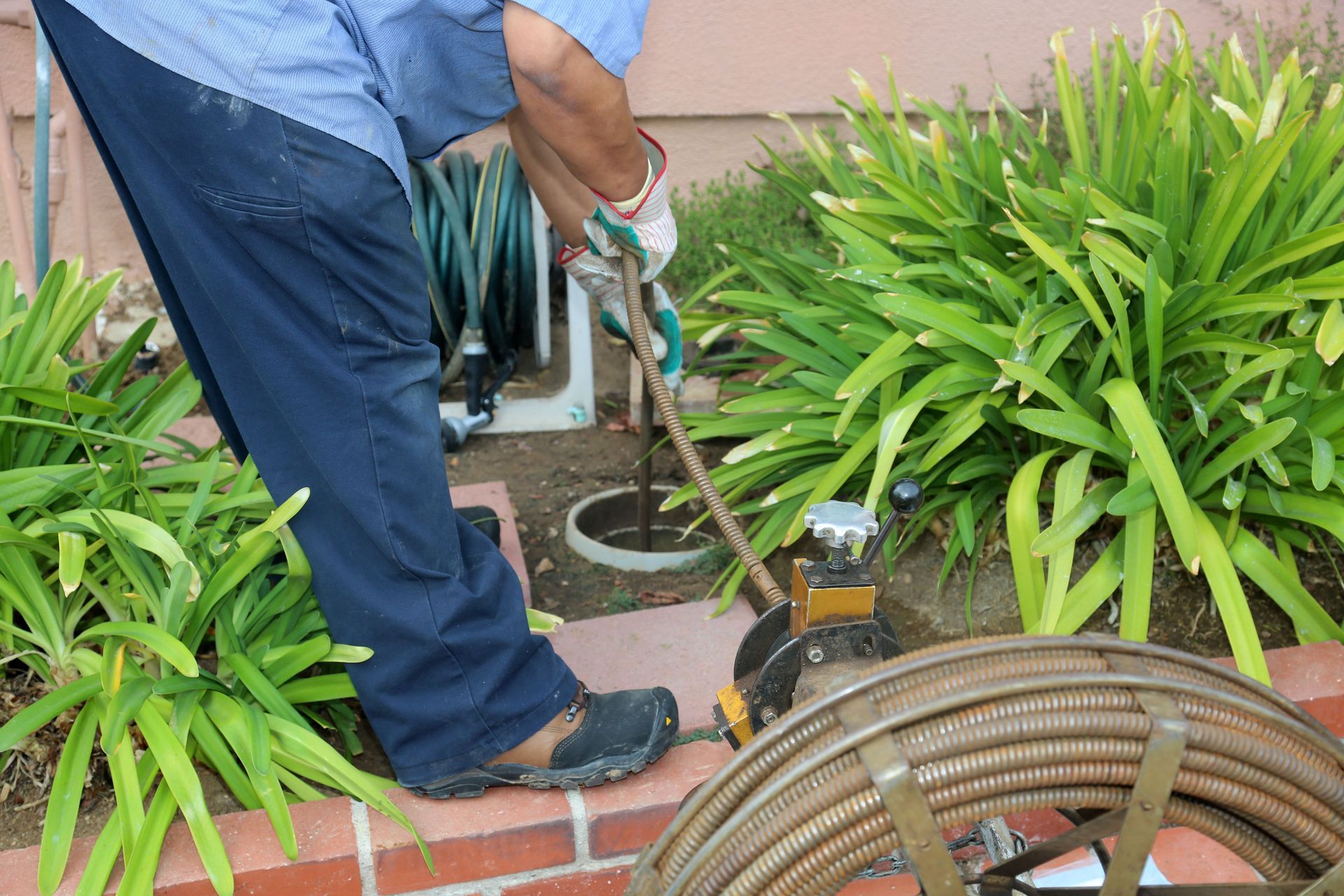
Regular inspections are integral to the longevity and efficiency of septic systems. Without routine checks, small issues can escalate into significant problems, leading to costly repairs or replacements. The primary goal of inspections is to identify potential clogs, leaks, or damage before they worsen. Inspections ensure that the system components function correctly and efficiently. According to the U.S. Environmental Protection Agency, the average household should have its septic system inspected at least once every three years.
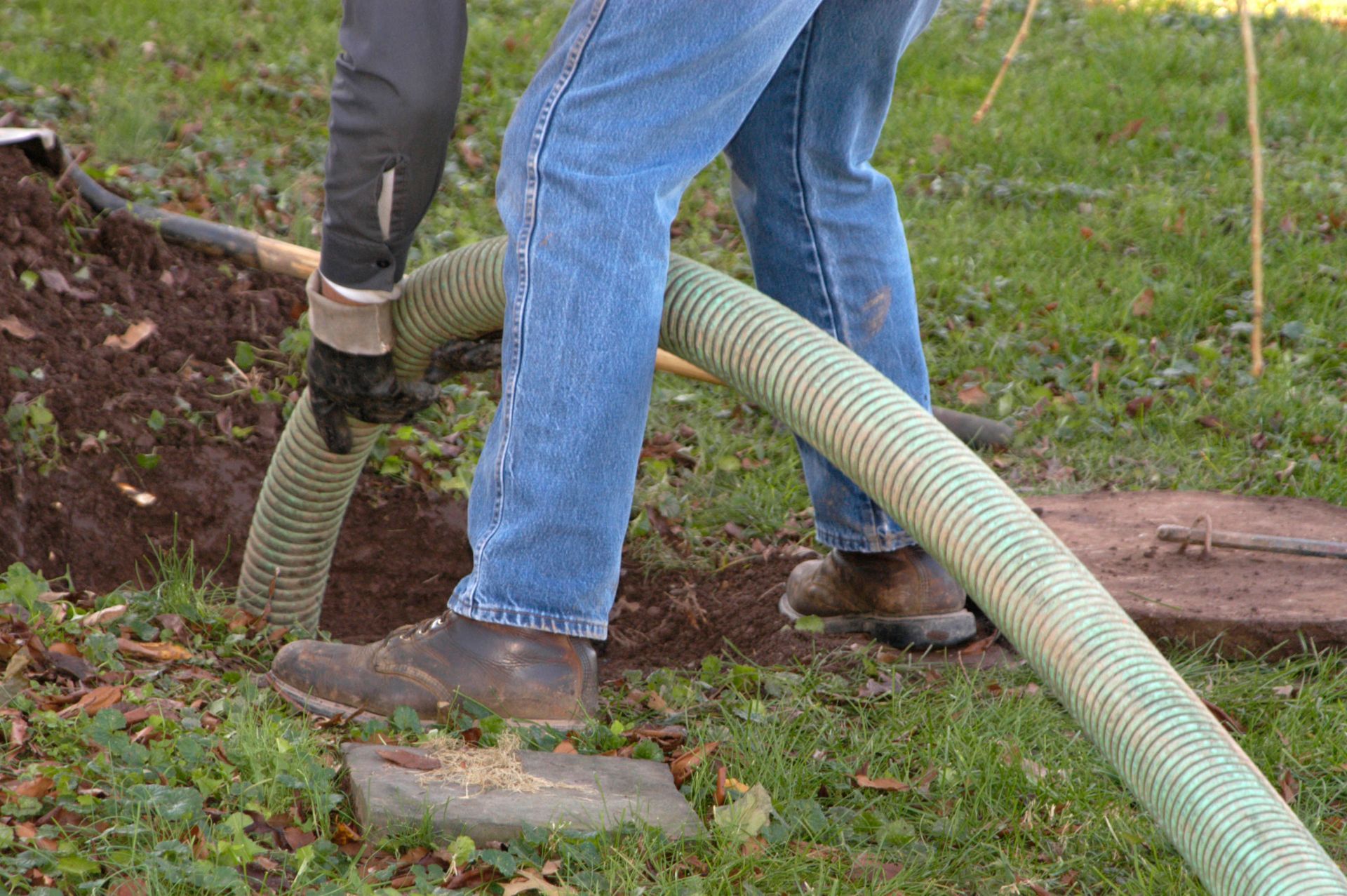
Pumping frequency is crucial in maintaining the health of a septic system. On average, septic tanks should be pumped every three to five years, but this depends on household size, tank size, and water usage. Pumping removes sludge and scum that can cause backups and overflow if left to accumulate. Tailoring the frequency to specific household needs helps maintain system efficiency and prevents premature wear. Regular consultations with a septic professional can also help determine the optimal pumping schedule.
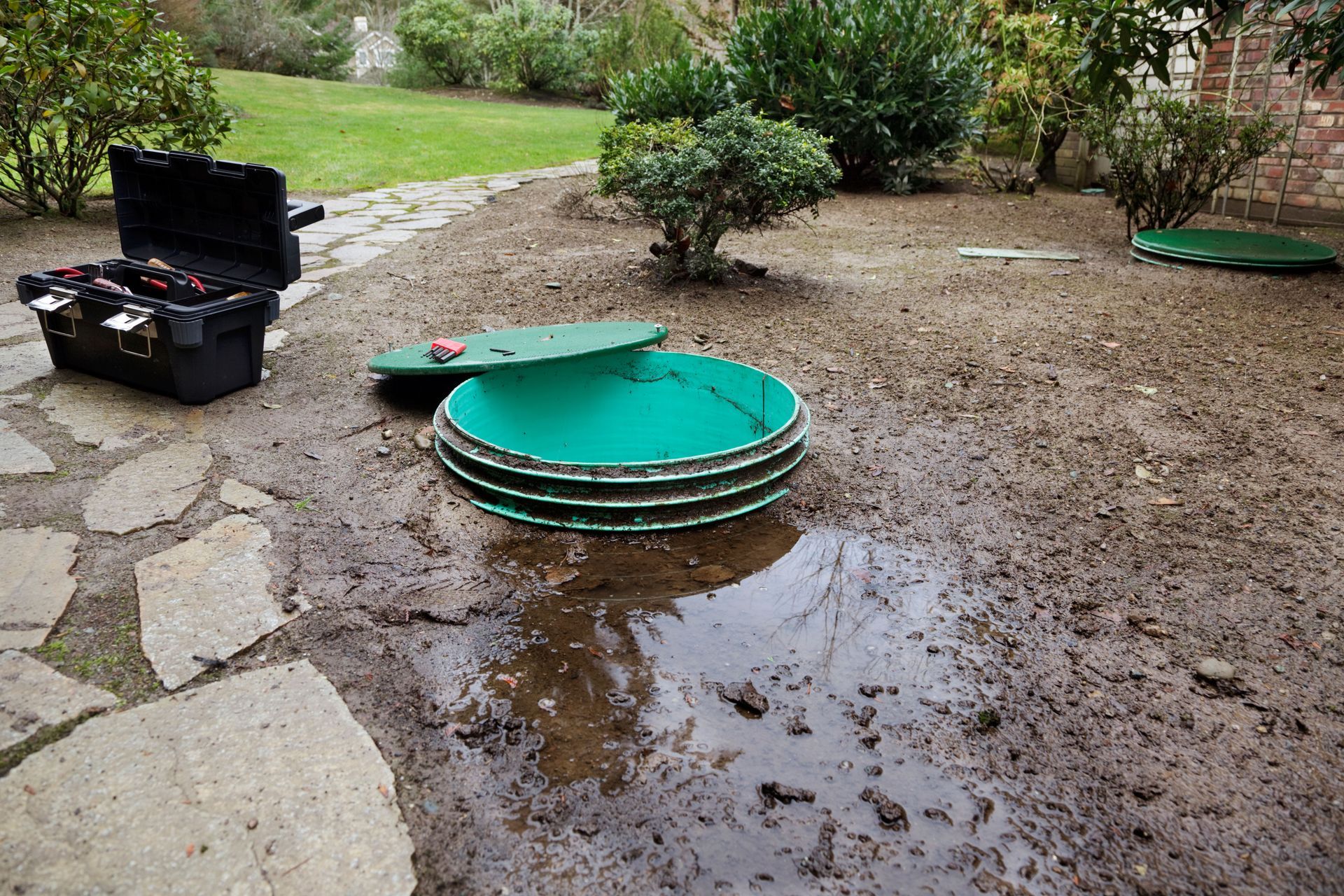
Identifying early warning signs ensures timely pumping and avoids system failures. One of the most common indicators is slow drains, as blocked pipes can be a precursor to a full tank. Odors around the septic tank area signify that gases are escaping due to excess accumulation. Water pooling in the yard, especially near the drainfield, can indicate an overflowing tank or blocked pipes. Regular monitoring for these signs can prompt timely interventions, maintaining system health.
Selecting a reliable professional service for your septic system needs is essential for achieving quality maintenance. Start by researching established companies with positive reviews and transparency about their services. Ensure they have the proper certifications and experience to handle various septic issues. It's beneficial to seek referrals from friends or neighbors who can provide firsthand experiences. Always request quotes from multiple services to compare pricing while ensuring your chosen provider meets quality standards.
2. Mindful Water Usage
Excessive water usage can severely impact a septic system's performance. When too much water enters the system at once, the solids in the septic tank are flushed into the drainfield, leading to clogs and failures. Overloading the system diminishes the soil's ability to treat wastewater effectively. This pressure increases the risk of system backups and contaminating groundwater sources. Homeowners should be conscious of water consumption to maintain balance within the septic system.
Reducing water usage is an effective strategy for protecting your septic system. Begin by fixing leaks promptly, as even small drips can add up over time. Installing low-flow showerheads and faucets can make a significant difference in daily water usage. Another tip is to run dishwashers and laundry machines only with full loads to minimize water waste. Cultivating mindful habits among household members can significantly lower overall consumption, benefiting the septic system.
Water-efficient fixtures play a crucial role in decreasing household water use. Opting for ENERGY STAR-rated appliances ensures they meet efficiency standards, saving water and energy. Consider toilets with dual-flush mechanisms that allow varying water usage depending on need. Having aerators on faucets can reduce water flow without compromising functionality. Upgrading to these fixtures safeguards the septic system by maintaining an optimal water balance.
3. Proper Waste Disposal
Understanding what should not be flushed is essential for septic system maintenance. Non-biodegradable items like wipes, sanitary products, and cotton swabs can clog the pipes and tank. Even products labeled "flushable" may not decompose properly within the septic environment. Avoid disposing of oils, fats, and grease down the drain as they solidify, causing blockages. Educating household members about these dos and don'ts ensures smooth system operation.
Utilizing safe alternatives for waste disposal can protect your septic system from unnecessary stress. Establish trash bins in bathrooms and kitchens, providing a clear alternative for non-flushable items. Composting biodegradable waste like coffee grounds and vegetable peelings reduces strain on the system and is environmentally friendly. Promote recycling and proper disposal of hazardous materials such as paints and chemicals. These practices not only extend the life of the septic system but also benefit environmental well-being.
Using traditional chemical cleaners can negatively affect septic systems. Harsh chemicals kill beneficial bacteria that help decompose waste in the tank. Opt for septic-safe or natural alternatives to minimize this impact and preserve system balance. Educate household members about switching to eco-friendly products that effectively clean without harming the septic system. Maintaining the right bacterial balance is crucial for the system's biological processes and overall longevity.
4. Protecting the Drainfield
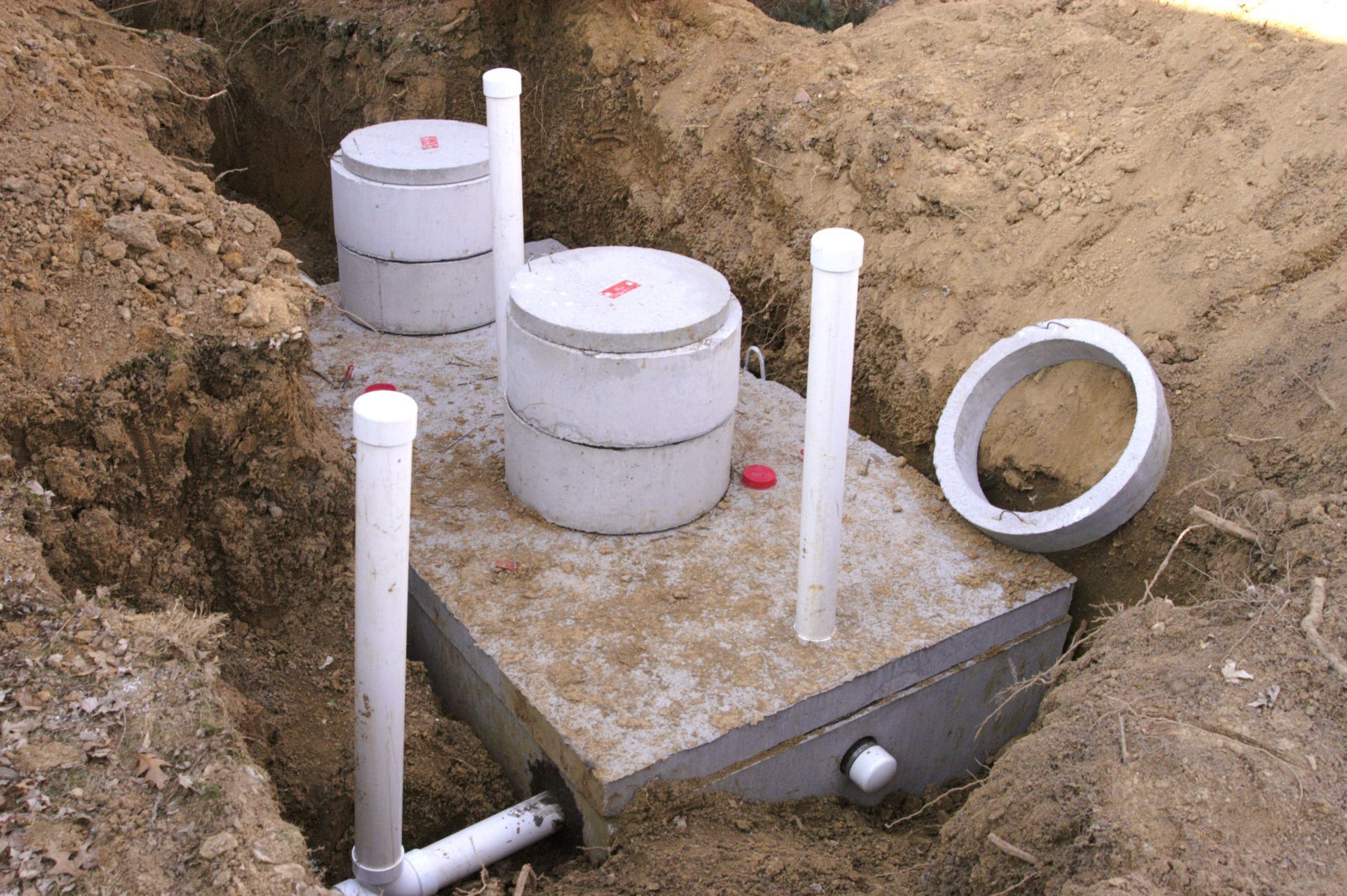
The drainfield plays a crucial role in the septic system by treating wastewater after it leaves the tank. It disperses treated effluent into the surrounding soil, where natural processes further cleanse the water. An understanding of this process helps homeowners realize the importance of correct drainfield maintenance. Overburdening the drainfield with excess water or construction can lead to system failure. Keeping this in mind is essential for anyone looking to extend the life of their septic system.
Protecting the drainfield requires vigilance against various threats. Heavy machinery or vehicles should never be driven over the drainfield, as the weight can compact the soil and damage pipes. Roots from trees planted too close can infiltrate and obstruct the drainfield, inhibiting its function. Homeowners should maintain clear boundaries to prevent unauthorized access that could lead to accidental damage. These preventive steps ensure the drainfield functions effectively and prolongs the system's life.
Root encroachment is a significant threat to septic systems, often leading to costly repairs. Planting trees and shrubs far from the drainfield helps mitigate this risk. Choosing species with less aggressive root systems can further prevent encroachment. Regular monitoring for signs of root intrusion, such as unexplained patches of lush grass, is advised. Early detection and response can avert serious damage, maintaining the system's integrity.
5. Using Bacteria Enhancers Wisely
Bacteria play a vital role in the septic system by breaking down organic matter. They are responsible for digesting waste and turning it into harmless byproducts. Maintaining a healthy bacterial environment ensures efficient waste decomposition and system function. Introducing harmful chemicals or overusing antibacterial products can disrupt this balance. Protecting and nurturing these bacteria is crucial for long-term septic system success.
Bacterial additives can be beneficial under certain conditions. If household members regularly use antibacterial cleaners or non-septic-safe chemicals, bacterial populations may become depleted. Adding bacteria can help replenish these populations, restoring balance to the system. It's important to assess the system's needs before introducing additives, consulting professionals when in doubt. Use additives sparingly and only when necessary, ensuring they do not replace routine maintenance.
Overusing bacteria enhancers can inadvertently harm the septic system. While moderate use can complement system health, excessive application may upset the tank's natural balance. An overabundance of bacteria can lead to excess sludge, increasing the need for more frequent pumping. It is essential to follow product instructions carefully or seek expert guidance. Striking a balance ensures that the bacteria successfully aid waste decomposition without causing harm.
Extending the life of your septic system requires a proactive approach and consistent maintenance. By following these simple steps, you can protect your investment, avoid unnecessary headaches, and ensure smooth operation for years to come. Implementing thoughtful practices today will lead to significant benefits tomorrow, keeping your septic system, home, and environment in optimal condition. For professional
septic service you can count on, contact H&S Septic Services today.