January 5, 2026
Your septic system plays a crucial role in managing wastewater safely and efficiently, but unlike other household systems, it often goes unnoticed—until something goes wrong. A septic tank that is not functioning properly can lead to costly repairs, foul odors, plumbing problems, and even damage to your property. Because the system is buried underground, many homeowners overlook the early warning signs that indicate trouble. According to This Old House, the typical lifespan of a septic tank is 15 to 40 years, depending on the material, maintenance practices, and soil conditions. Even with good care, issues can still develop over time, making it essential to know when to call septic companies for professional evaluation. Understanding the signs of a failing septic tank can help you address problems early and keep your system running smoothly for years to come.
Noticing Slow Drains Throughout the Home
One of the earliest and most common signs that your septic tank needs professional attention is slow drains. If sinks, bathtubs, showers, or toilets are draining sluggishly, this may signal that the septic tank is getting full or that there is a clog somewhere in the system. While a single slow drain might be caused by a local blockage, slow drainage in multiple fixtures is often linked to septic issues.
Ignoring slow drains can lead to sewage backups and more serious plumbing problems. Septic companies have the tools and experience to determine whether the issue lies in your plumbing pipes or at the septic tank itself. Early intervention helps prevent costly and messy repairs.
Experiencing Frequent Toilet Backups
Frequent toilet backups are a major red flag that something is wrong with your septic system. When waste cannot flow into the tank properly, it may return through the toilet, especially in lower-level bathrooms. Even if the toilet clears temporarily, recurring blockages suggest that the septic tank may be overfilled or that there is a blockage in the main line.
A toilet backup is not only inconvenient but also unsanitary. Professional septic companies can evaluate the tank’s condition, pump it if necessary, and identify issues before they escalate into larger problems.
Smelling Sewage Odors Inside or Outside the Home
Sewage odors inside or outside your home are among the most obvious signs of septic trouble. If your tank is full, cracked, or leaking, wastewater gases can escape and produce strong, unpleasant smells. These odors may be noticeable near drains, in the yard over the septic field, or around the tank itself.
Strong odors should never be ignored, as they often signal a serious problem that requires immediate attention. Professional septic companies can inspect the system, locate leaks, and address ventilation issues to restore safety and comfort.
Seeing Standing Water or Soggy Areas in the Yard
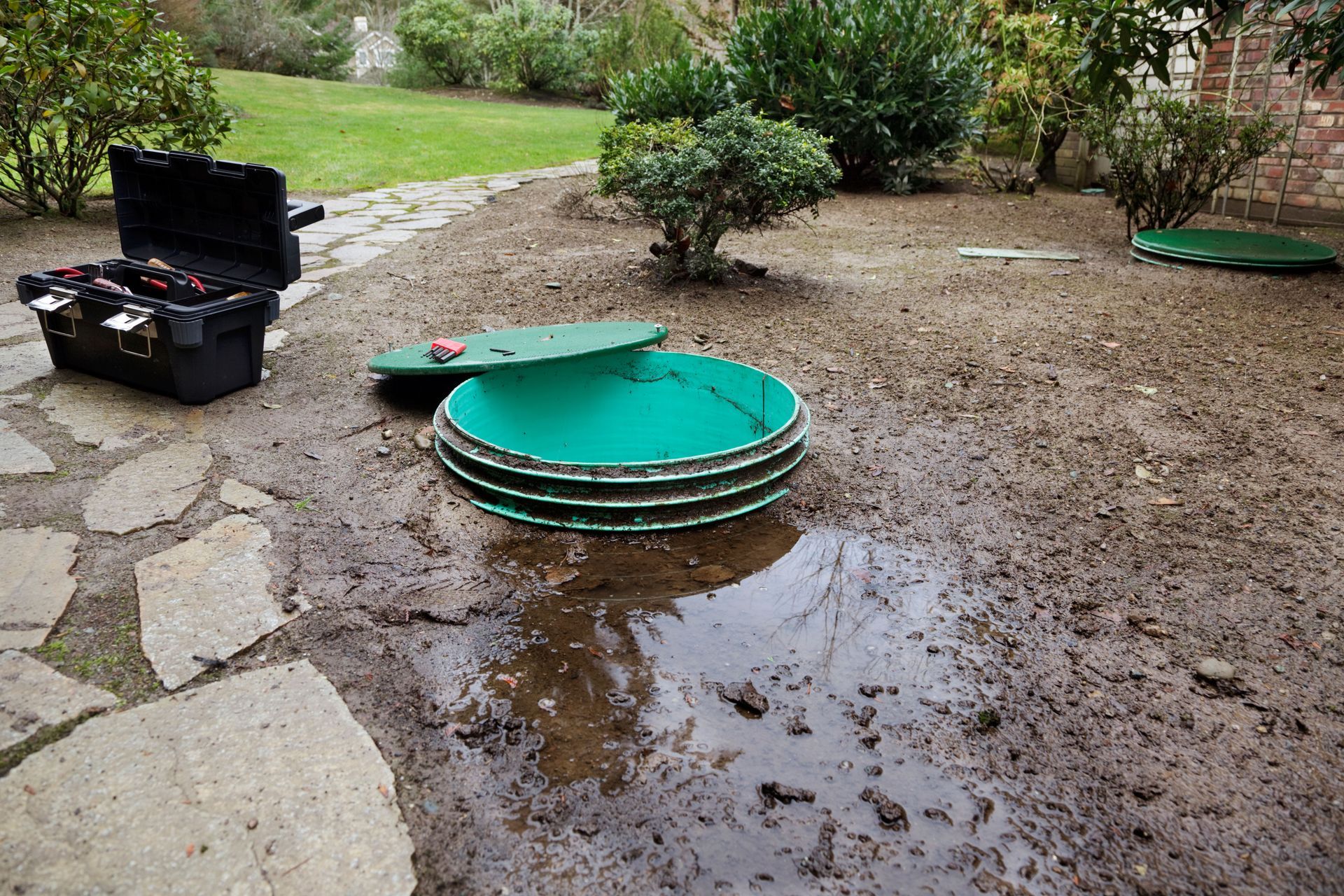
Standing water or soggy patches near your drain field can indicate that your septic system is not processing wastewater correctly. When a septic tank becomes overloaded or the drain field becomes saturated, wastewater may rise to the surface. This pooling water may appear even during dry weather and may sometimes have a foul smell.
Left untreated, a failing drain field can cause environmental contamination and require extensive and costly repairs. Septic companies can diagnose the cause and recommend the best course of action to restore proper drainage.
Finding Greener or Faster-Growing Grass Over the Drain Field
While a healthy lawn is usually a good sign, grass that is noticeably greener or growing faster than surrounding areas may indicate that sewage is leaking into the soil. Wastewater acts as a fertilizer, boosting plant growth. However, this is often a sign that your drain field is overloaded or malfunctioning.
Although this symptom may seem harmless, it typically points to a leak or failure within the septic system. Professional inspection from septic companies helps determine whether repairs or pumping are necessary.
Hearing Gurgling Sounds From Drains
Gurgling noises coming from sinks, showers, or toilets can signal that your septic system is struggling to process wastewater properly. These sounds are often caused by air bubbles trapped in the plumbing system due to a blockage or a full septic tank.
If you hear frequent or persistent gurgling, it’s important to schedule an evaluation. Septic companies can check the system’s ventilation, assess the tank’s fill level, and determine whether pumping or repair is needed.
Experiencing Sewage Backups in Drains
One of the most severe signs of septic system trouble is raw sewage backing up into your sinks, tubs, or floor drains. This occurs when the septic tank is too full or when wastewater can no longer move into the drain field. Sewage backups pose serious health risks and require immediate attention.
If you see sewage coming up through any drain, stop using water in your home until a professional arrives. Septic companies can quickly assess the situation and take steps to prevent further contamination or damage.
Noticing Algae Growth in Nearby Water Bodies
If your property is located near a pond, stream, or lake, unexplained algae growth may indicate a septic system leak. When wastewater rich in nutrients enters natural water sources, it can cause algae blooms that upset the local ecosystem.
If you observe unusual algae growth near your home, it’s important to contact septic companies for an inspection. They can determine whether your system is leaking and help prevent further environmental damage.
Hearing or Smelling a Septic Alarm
Homes with advanced septic systems may be equipped with alarms that alert you when the tank is too full or when the pump is malfunctioning. If your alarm goes off, it means the system is not functioning properly and needs immediate attention.
These alarms are designed to prevent overflows and costly repairs. Septic companies can reset the system, resolve the underlying issue, and ensure the tank continues working correctly.
Seeing Cracks or Damage in the Tank Area
If your septic tank is accessible for visual inspection, cracks, corrosion, or structural damage around the tank may indicate the system is compromised. Over time, soil pressure, age, and shifting ground can cause septic tanks to deteriorate.
A damaged tank may leak sewage into the surrounding soil, contaminating groundwater and posing serious health risks. A professional inspection can determine whether repair or replacement is necessary.
Recognizing That It Has Been Several Years Since the Last Pumping
Even if no obvious symptoms are present, a septic tank still requires routine pumping. Most systems need service every 2 to 5 years, depending on tank size and household usage. If you cannot remember the last time your tank was pumped, it may already be overdue for maintenance.
Skipping routine pumping increases the likelihood of clogs, backups, and system failures. Septic companies keep records of maintenance schedules and can recommend the appropriate timeline for your home.
Understanding Why Early Action Matters
Addressing septic tank issues early helps protect your home, your health, and your budget. Leaks, clogs, and drain field failures become more severe when ignored, often leading to repairs that cost thousands of dollars. A malfunctioning septic system can also contaminate groundwater, harm local wildlife, and create unsafe living conditions.
Professional inspection and maintenance ensure that small problems are identified and corrected before they escalate. By relying on trusted septic companies, homeowners gain peace of mind knowing their system is functioning safely and efficiently.
At H&S Septic Services, we understand the importance of keeping your septic system in top condition. Our experienced team provides thorough inspections, routine maintenance, and reliable repairs to help protect your home from costly damage. When you notice the signs your system may need attention, our septic company specialists are here to restore safety, performance, and peace of mind.