September 17, 2026
Maintaining an underground waste management system protects your home, safeguards public health, and saves significant money over time. Knowing when to hire a professional septic service allows property owners to keep their plumbing functioning efficiently without suffering unexpected structural breakdowns. Proactive care ensures that household wastewater receives proper treatment before re-entering the surrounding environment, keeping local ecosystems safe, clean, and pristine.
Every household generates liquid waste daily, but the frequency of required maintenance depends on usage, system design, and overall capacity. Consistent attention ensures your wastewater infrastructure operates safely without creating environmental hazards or property disruption. Understanding your system's specific operational needs helps maintain clean drainage, prevents sudden operational failures, and extends the overall functional lifespan of your installation by staying proactive.
Understand Your Wastewater Infrastructure
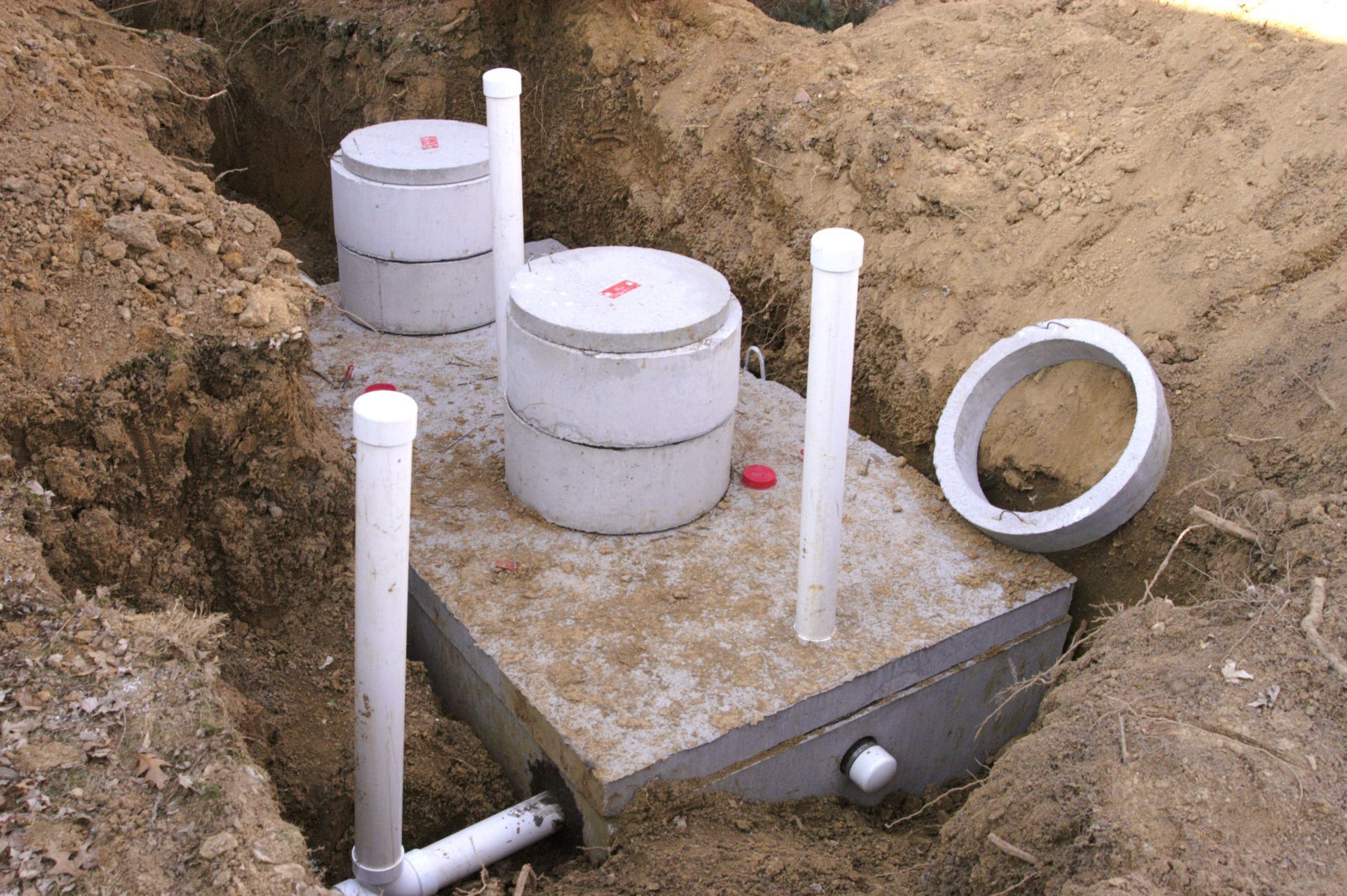
Underground wastewater systems handle all liquid waste coming from household drains, toilets, and laundry facilities. These private utility systems digest organic material and separate solid waste from liquid before discharging cleaned effluent into the drain field. Proper operation relies on physical separation and biological processes working continuously beneath the surface of your yard to process daily household wastewater output smoothly.
Heavy solids settle at the bottom of the container to form sludge, while lighter oils float to the top. Microscopic bacteria work constantly inside the chamber to decompose these solids, making routine septic service essential for preventing solid accumulation from choking the drain lines. Without active bacteria, waste builds up rapidly inside the holding unit, causing severe plumbing blockages throughout the entire system.
Different design configurations exist to accommodate various soil types, property topography, and household demands. Gravity systems rely on natural elevation changes, whereas advanced treatment units introduce oxygen to accelerate waste decomposition and enhance environmental protection. Selecting the right setup guarantees that wastewater filters safely through natural soil layers without clogging drain pipes or saturating your surrounding residential property.
Schedule Regular Tank Cleanouts
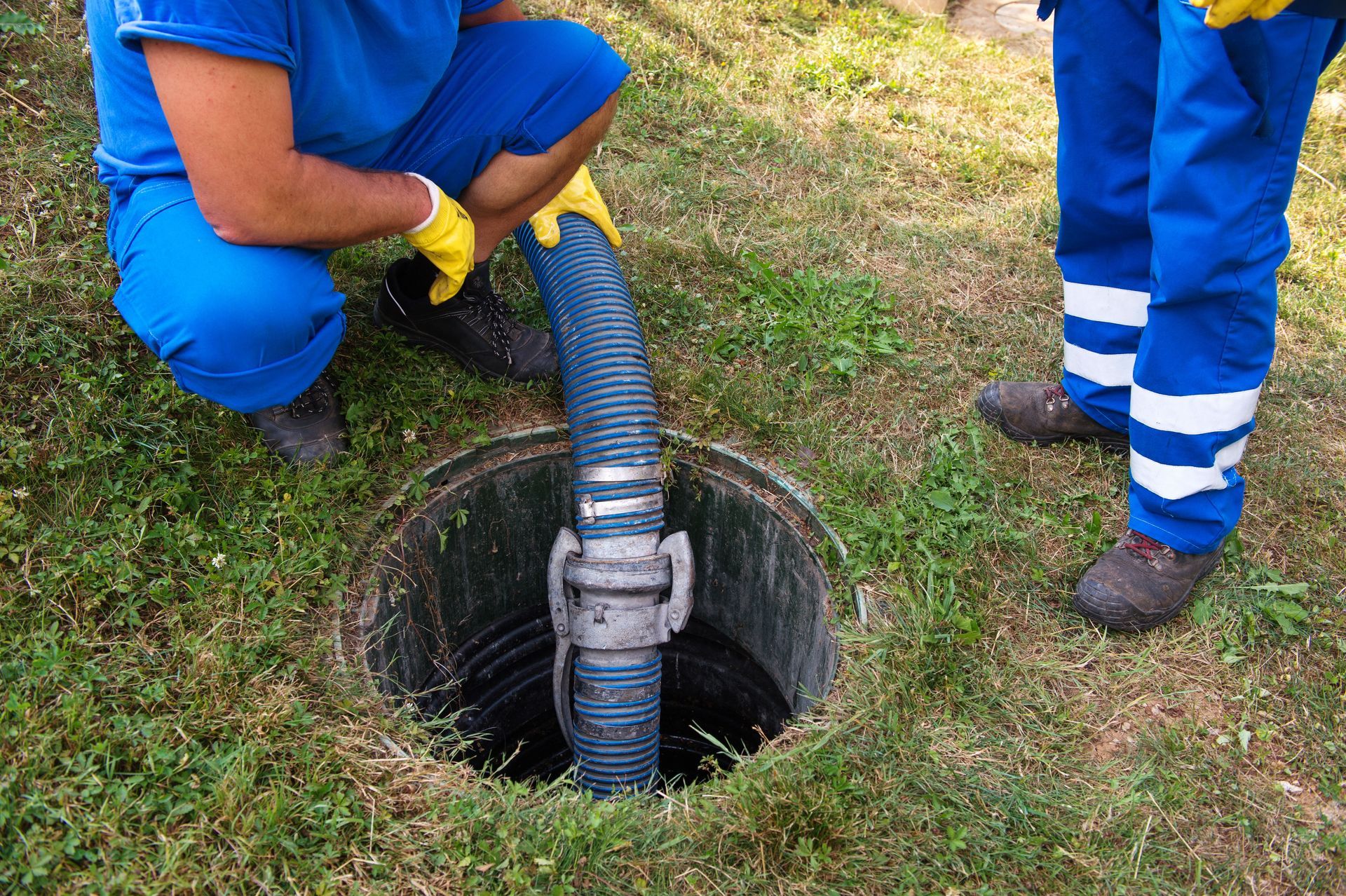
According to HomeGuide, overall upkeep expenses are affected by cleanout timing, with expert guidelines advising cleanouts every three to five years based on wastewater generation. Staying on this recommended maintenance schedule prevents heavy solid accumulation from escaping into the soil absorption field, where permanent, costly system damage can easily occur over extended periods of unmaintained time.
Household occupant size directly determines how quickly your system reaches full capacity over time. Larger families produce significantly higher daily water volumes, which shortens the required timeframe between comprehensive maintenance appointments and pumping operations. Smaller households generate less volume, extending the operational window between major service visits while maintaining healthy, active biological activity within the containment chamber.
The overall dimensions of your holding container also dictate ongoing maintenance needs. Managing a system requires balancing total storage capacity against daily usage patterns so you can secure professional septic service before sludge reaches critical thresholds. Knowing your container size prevents unexpected overflows, protects drain field functionality, and avoids expensive structural emergency repairs before major complications arise.
Identify Critical Warning Signals
Noxious gases escaping into the yard or home signal a saturated system demanding immediate expert intervention. Foul odors usually mean the tank is full, trapping sewage gas and forcing unpleasant sewer smells back through household plumbing fixtures. Prompt investigation eliminates health risks, restores fresh air to your living space, and prevents hazardous waste backup disasters inside your home.
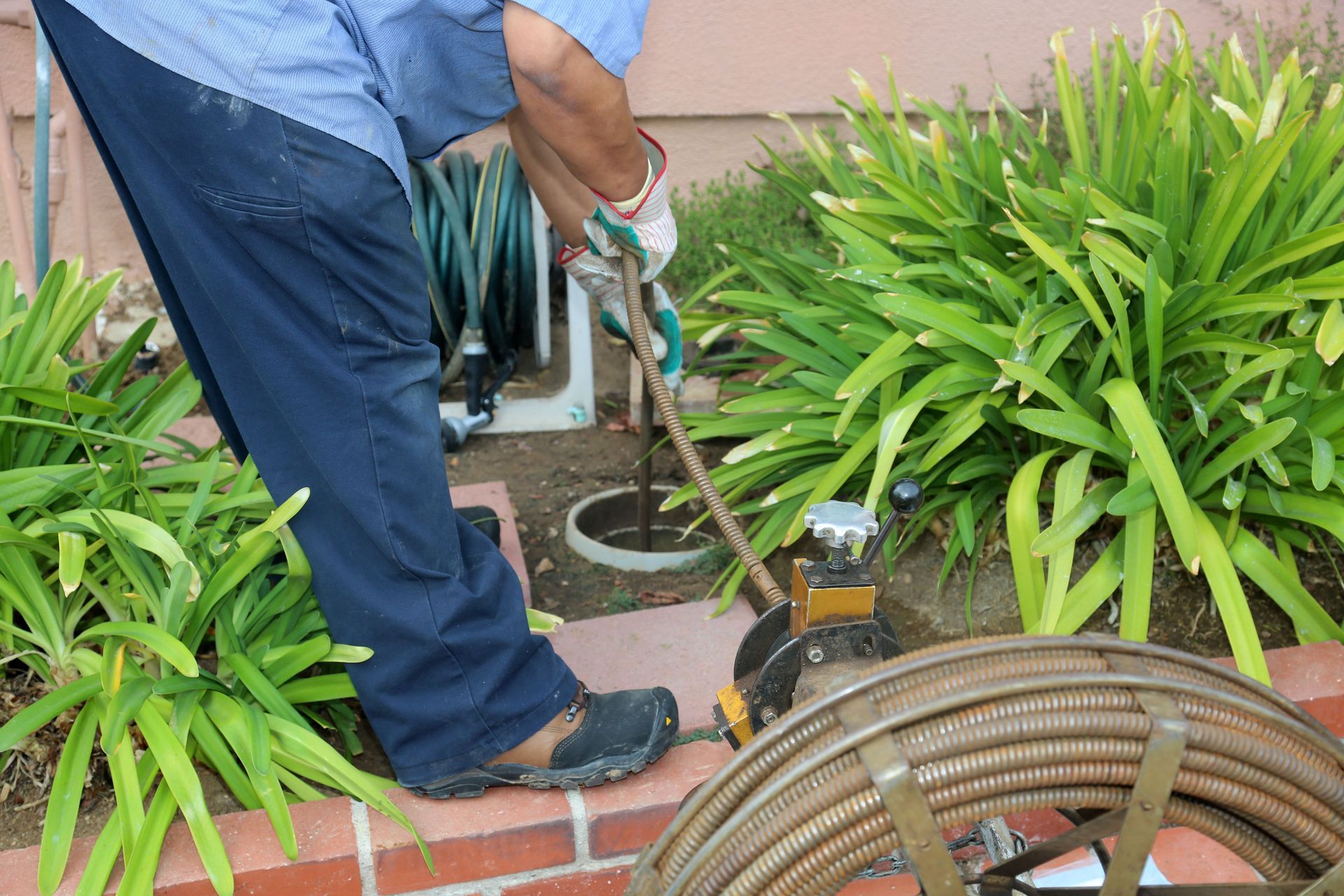
Slow-draining sinks, sluggish toilet flushes, and standing water in shower basins indicate severe drainage blockages inside the main lines. Ignoring these early warning symptoms risks complete plumbing failure and sewage backups into living quarters, making prompt septic service vital. Taking immediate action clears obstructions before structural wastewater flooding causes permanent, costly property damage.
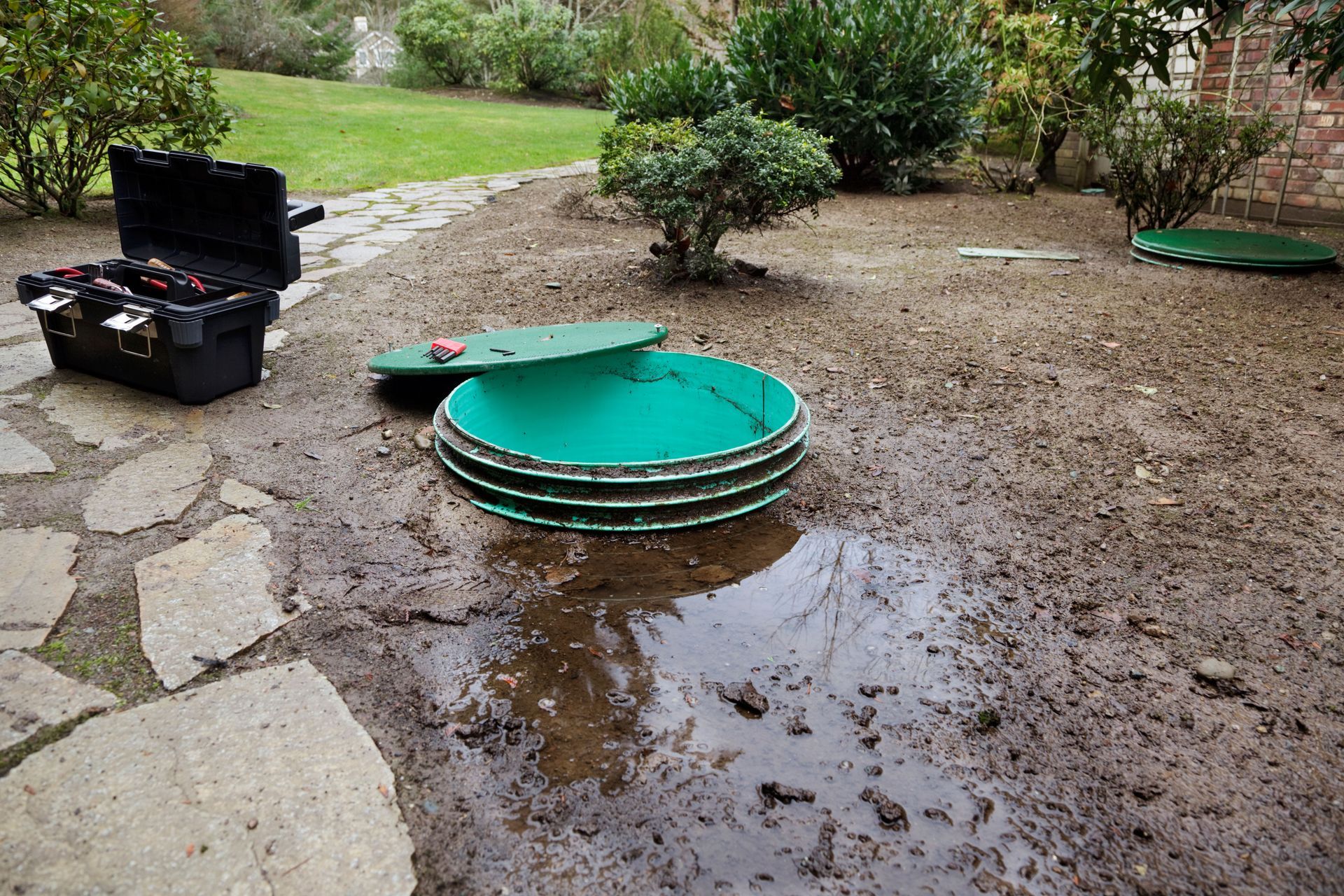
Unusually lush grass patches or standing surface water above your leach field indicate severe system leakage beneath the ground. Excess water pooling in the yard pollutes local groundwater, damages surrounding landscaping, and requires swift remediation by trained field technicians. Correcting field saturation keeps your property safe, dry, structurally sound, and compliant with local environmental health standards.
Avoid Severe Neglect Penalties
Failing to pump your holding tank leads to hazardous environmental pollution across nearby properties and residential communities. Untreated effluent can breach ground barriers, contaminating surrounding streams, local aquifers, and drinking water wells with dangerous pathogens. Timely intervention safeguards natural water resources and protects the surrounding ecosystem from long-term ecological damage and severe environmental degradation across the neighborhood.
Health risks escalate rapidly when raw sewage contaminates residential living spaces or surface soil. Exposure to untreated waste pathogens exposes families to serious diseases, potentially leading to strict municipal health violations and costly civil liabilities. Maintaining clean operation removes dangerous biological hazards from your immediate home environment and protects your entire surrounding residential neighborhood.
Major structural replacements cost exponentially more than routine preventative care over the system lifetime. Neglected systems suffer total drain field failure, significantly decreasing overall home values and destroying household budgets when complete rebuilds become necessary. Investing in regular maintenance preserves property values while averting sudden, massive capital expenses for complete structural line replacement and ground excavation.
Implement Everyday System Protections
Visual inspections allow property owners to detect early signs of system strain before major failures develop. Checking drain fields for excess moisture and monitoring indoor drainage speeds helps identify minor issues before expensive structural breakdowns occur. Routine observation provides complete peace of mind and keeps long-term maintenance efforts manageable and affordable for busy homeowners.
Conserving household water reduces total liquid volume flowing through the disposal system each day. Staggering laundry cycles, repairing leaking faucets, and using low-flow plumbing fixtures reduces operational strain and extends time between pumping appointments. Efficient water habits prevent system flooding, preserve soil absorption capabilities, and protect your essential biological treatment process.
Proper waste disposal habits preserve active bacterial cultures working within the containment chamber. Non-biodegradable items, harsh cleaning chemicals, and cooking oils must never enter drains, as these substances destroy helpful bacteria and create stubborn blockages requiring specialized septic service. Disciplined disposal habits keep waste moving smoothly and extend overall functional equipment life over time.
Choose Qualified Maintenance Professionals
Researching local service providers helps ensure your waste system receives appropriate technical care. Reading customer testimonials and seeking personal recommendations from neighbors helps identify trustworthy contractors familiar with regional soil conditions. Thorough research ensures that you partner with an experienced company capable of handling your specific equipment needs efficiently, safely, and professionally.
Checking industry licenses, professional certifications, and active liability insurance coverage verifies contractor expertise. Qualified technicians follow strict environmental regulations and safety protocols, giving property owners complete confidence during complex pumping and repair projects. Verified credentials guarantee that your infrastructure receives safe, fully compliant, and highly effective technical maintenance.
Discussing pricing structures, evaluation methods, and specific service inclusions upfront eliminates unexpected costs later. Working with an experienced contractor ensures your equipment receives custom care tailored to your household demands whenever your system requires reliable septic service. Open communication establishes a strong partnership for long-term property protection and optimal utility performance throughout the year.
Maintaining an efficient waste management system requires consistent attention, smart household water habits, and timely inspections. Proactive care prevents environmental hazards, protects family health, and eliminates the heavy financial burden of emergency plumbing replacements. Taking small preventative steps today ensures reliable operation and protects your valuable real estate investment for decades to come.
Scheduling routine professional evaluations allows property owners to enjoy uninterrupted plumbing performance year after year. When you need dependable septic service to keep your plumbing system operating cleanly and effectively, contact us at H&S Septic Services.