October 19, 2026
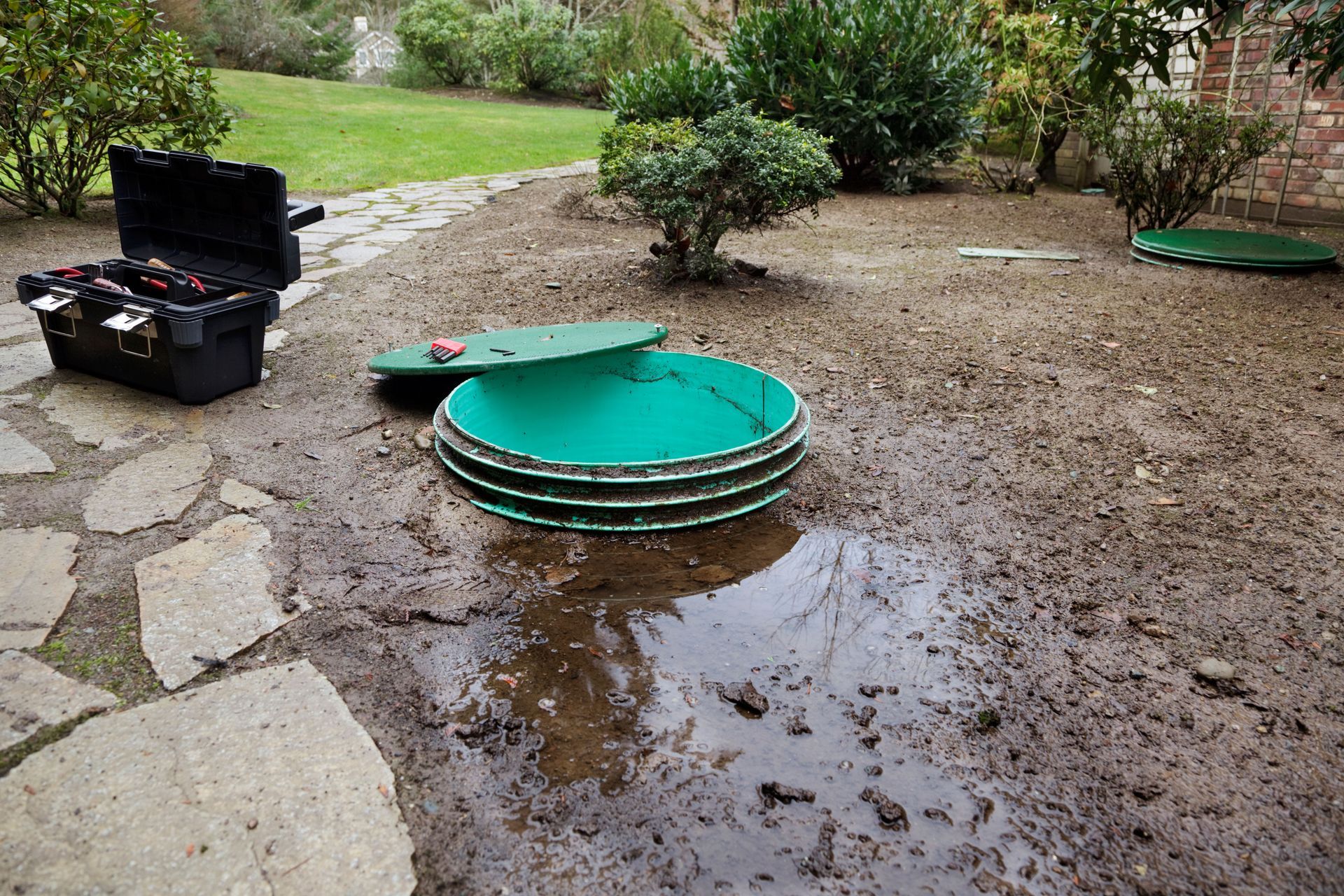
Maintaining a residential septic system requires vigilance. Homeowners with rural properties rely on these underground setups to handle wastewater. Without care, the drainage field and holding tank can fail in catastrophic ways. Such failures cause immense damage to the landscape, foundations, and property value. Prevention remains the most effective strategy for preserving the plumbing network. Flushing the wrong materials down the toilet guarantees disaster.
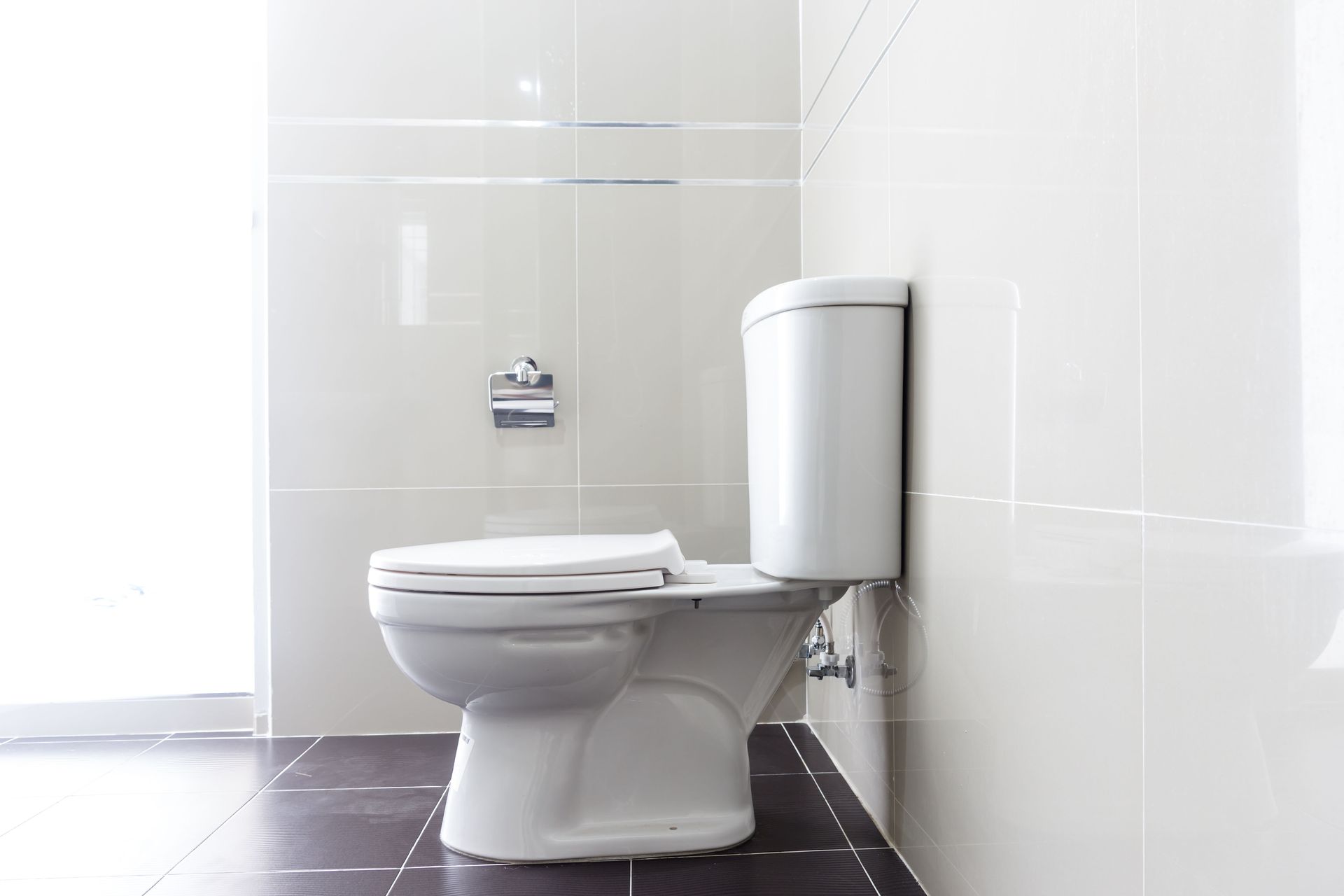
A well-functioning residential waste setup relies on a delicate balance of biology and mechanics. When residents treat toilets like standard trash cans, they jeopardize this equilibrium. Knowing which items to dispose of in a waste bin prevents massive repairs. Consulting a septic system installer before problems arise helps property owners understand the fragility of the underground network. Proper bathroom habits ensure the infrastructure processes waste safely.
Items That Create Major Clogs
Flushable wipes cause immense trouble for underground waste processing tanks. Despite bold packaging claims, these durable materials do not break down in standing water. They remain intact as they travel through pipes. Once they reach the holding chamber, they accumulate into massive piles and tangle with other waste. This mass creates solid blockages that prevent wastewater from flowing outward, forcing sewage to back up.
Heavy paper towels and thick facial tissues belong in the garbage bin. Standard toilet paper dissolves upon contact with water, making it the solitary paper product suitable for the plumbing network. Conversely, paper towels feature reinforced woven fibers designed to absorb spills without tearing. These interlocking fibers resist decomposition in the dark underground chamber. Their presence adds unnecessary bulk to the sludge layer, requiring premature pumping.
Feminine hygiene products present another physical hazard to underground waste management infrastructure. Tampons and sanitary pads contain highly absorbent materials that expand when submerged in liquid. This expansion causes rapid pipe blockages in narrow plumbing channels. The synthetic components within these personal care products defy natural biological breakdown. A professional septic system installer often finds these exact undigested items sitting at the root of severe backups.
Dental floss and human hair seem harmless due to their minimal physical size. However, these thin strands combine with kitchen grease and solid organic matter to form unbreakable nets in the pipes. These nets catch passing debris and create massive clogs within the delicate tank baffles and distribution pipes. The resulting blockages restrict the outflow of processed gray water. Residents must throw loose hair and floss into a trash receptacle.
Chemicals That Destroy Good Bacteria
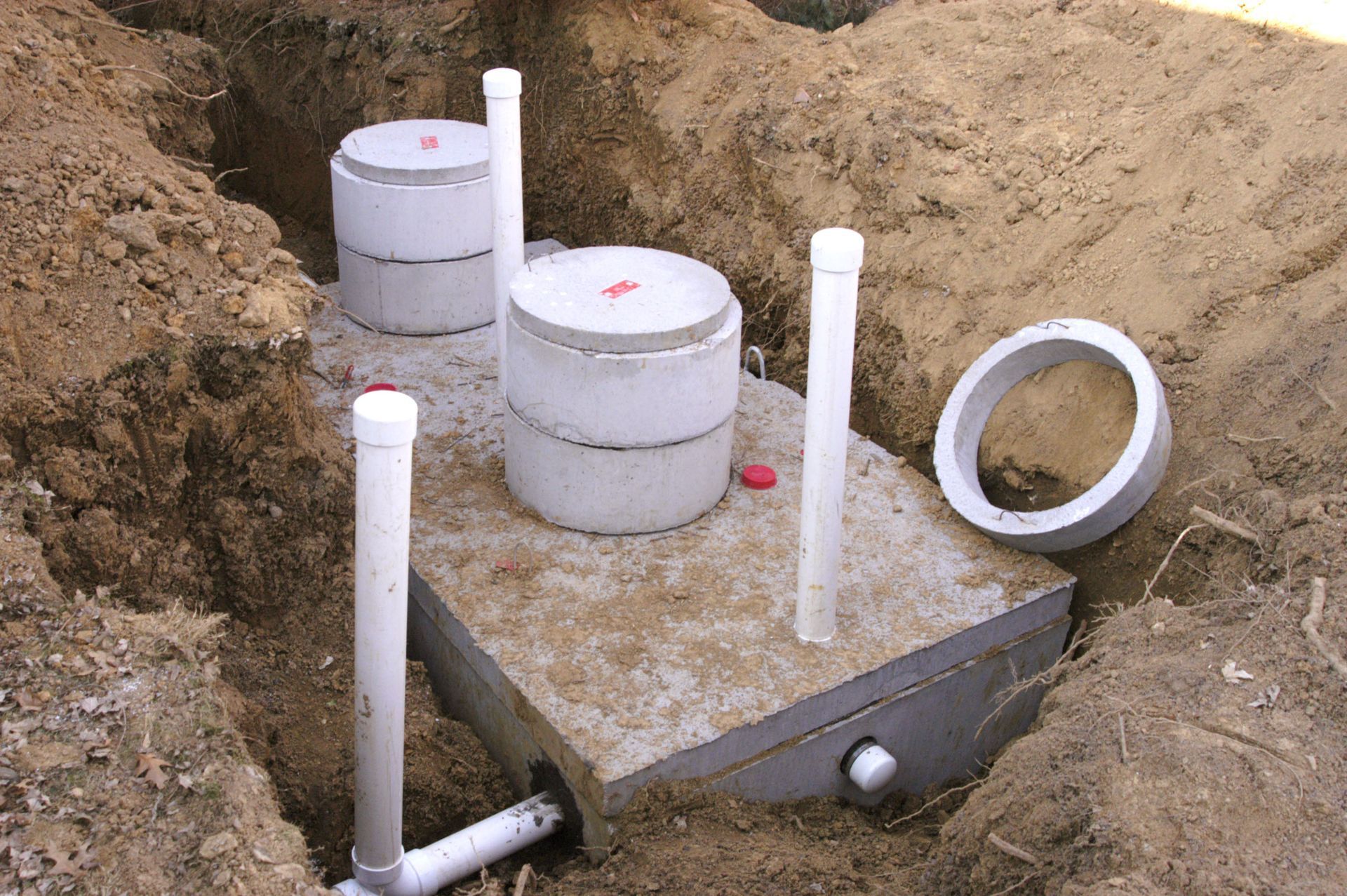
The underground waste chamber operates as a living biological ecosystem. Microscopic organisms work constantly to digest solid human waste entering the chamber. This biological breakdown separates the incoming effluent into distinct layers of sludge, scum, and clear water. Without this crucial natural digestion, the concrete tank would fill with solid matter rapidly. Maintaining this vital bacterial balance determines the overall success and longevity of the waste management infrastructure.
Household bleach and antibacterial hand soaps threaten this microscopic ecosystem in profound ways. When homeowners pour heavy chemical cleaning agents down the drain, harsh chemicals attack the beneficial bacteria living in the tank. A complete die-off of these essential organisms stops the waste digestion process cold. An experienced septic system installer frequently warns clients about the hidden dangers of excessive bleach usage during maintenance visits.
Commercial drain cleaners contain corrosive elements intended to dissolve stubborn pipe clogs. These synthetic industrial acids cause catastrophic collateral damage to the holding tank ecosystem. The caustic nature of the chemical liquid annihilates the bacterial colony in mere moments. Repeated applications of these harsh acids degrade the pipes and concrete tank walls. This degradation leads to dangerous structural leaks, expensive material replacements, and potential soil contamination issues.
Unused paint and automotive fluids possess toxic qualities that ruin residential septic systems. Disposing of leftover latex paint, motor oil, or engine antifreeze through a sink drain introduces heavy metals and dangerous toxins into the environment. These hazardous substances kill the vital organisms within the concrete tank and contaminate the surrounding groundwater supply. Property residents must take chemical liquids to designated community disposal centers rather than utilizing plumbing.
Medications That Disrupt Water Quality
Pharmaceuticals represent a hidden but severe danger to rural waste processing setups. Many well-meaning people flush expired pills or unused liquid medicines down the toilet for quick disposal. This practice introduces complex synthetic medical compounds into the vulnerable wastewater stream. The natural organisms living inside the concrete holding tank cannot process or break down human medications. The active pharmaceutical ingredients remain potent as they travel through the treatment phases.
Prescription antibiotics pose a catastrophic threat to the vital tank ecosystem. Just as oral antibiotics eliminate harmful bacteria within the human body, they eradicate the necessary beneficial bacteria within the waste chamber. Flushing a discarded course of leftover antibiotics creates a sterile, lifeless environment inside the holding tank. A sterile tank ceases to process incoming solid waste, causing rapid sludge accumulation, system failure, and the need for professional intervention.
Hormones and other chemical medical treatments pass straight through the tank baffles and enter the exterior drain field. The surrounding soil acts as a natural physical filter for basic organic matter, but it fails to capture complex microscopic pharmaceutical molecules. These medications seep deep into the surrounding soil layers and eventually reach the underlying groundwater supply. This pharmaceutical contamination affects the local biological ecosystem and drinking water sources.
Proper medication disposal requires utilizing established community take-back programs and secure drop boxes. Pharmacies and law enforcement agencies offer safe drop-off locations for expired pills and unused liquid treatments. Utilizing these community resources protects the local groundwater and preserves the biological health of the home infrastructure. Any knowledgeable septic system installer advises rural property owners to keep all medical treatments far away from household sinks and toilets.
Plastics That Resist Natural Breakdown
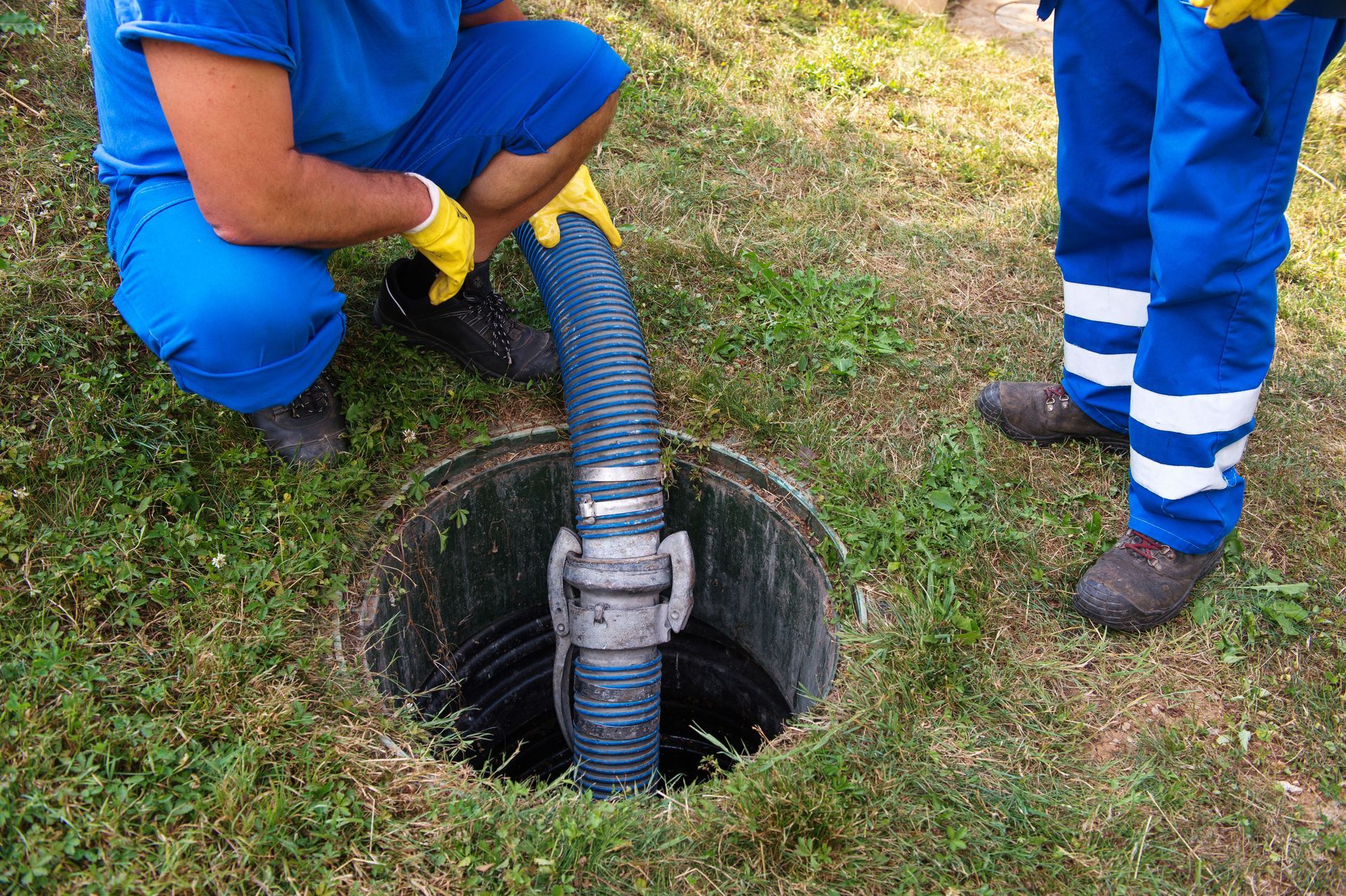
Plastic items create permanent obstacles within a residential waste processing infrastructure. Cotton swabs with plastic sticks, plastic bandages, and discarded contact lenses frequently enter the plumbing network out of sheer convenience. These synthetic items defy biological decomposition completely in the dark, submerged environment. A qualified septic system installer must manually pump and remove these synthetic objects, as they will remain in the bottom sludge layer indefinitely without degrading.
The rigid durability of modern plastics contrasts sharply with the intended functional lifespan of the waste infrastructure itself. According to This Old House, septic tanks typically have a lifespan of 15 to 40 years, depending on maintenance practices, the material, and soil conditions. Introducing indestructible plastic waste into the chamber accelerates internal wear and tear. This abuse significantly reduces this expected timeframe, forcing property owners into premature tank replacements.
Microplastics from cosmetics and facial scrubs add significant hidden complications to the overall problem. Some commercial exfoliating face washes contain tiny synthetic plastic beads designed for skin cleansing. These invisible beads wash down the bathroom sink and bypass the tank baffles due to their minimal physical size. They flow out into the exterior drain field and clog the porous soil. Clogged soil prevents proper water absorption, causing flooding.
Even modern biodegradable plastics fail to decompose properly within the submerged underground chamber. The dark, wet environment inside the concrete tank lacks the necessary heat, sunlight, and oxygen required to break down commercial bioplastics. These eco-friendly products behave identically to standard plastics in this setting. Homeowners must ensure all plastic and bioplastic products go to a proper landfill or municipal recycling facility, rather than entering the household plumbing network.
Protecting a household waste infrastructure requires conscious decisions from all residents. Every item flushed down the toilet or washed down the kitchen drain impacts the fragile underground ecosystem. Homeowners hold the ultimate responsibility for preventing physical clogs, chemical imbalances, and severe groundwater contamination. Consulting a reputable septic system installer helps clarify any confusion regarding safe, sustainable disposal practices for rural properties. If you need a dependable septic system installer to inspect your tank or handle routine pumping, reach out to us at H&S Septic Services today. We are always ready to help you maintain a healthy and functional septic tank.